

From Breaking Barriers to Winning Awards: Six Years of Changing Lives Through Journalism
By Grant Logan, Founder and CEO of Ability Today and the Academy for Disabled Journalists
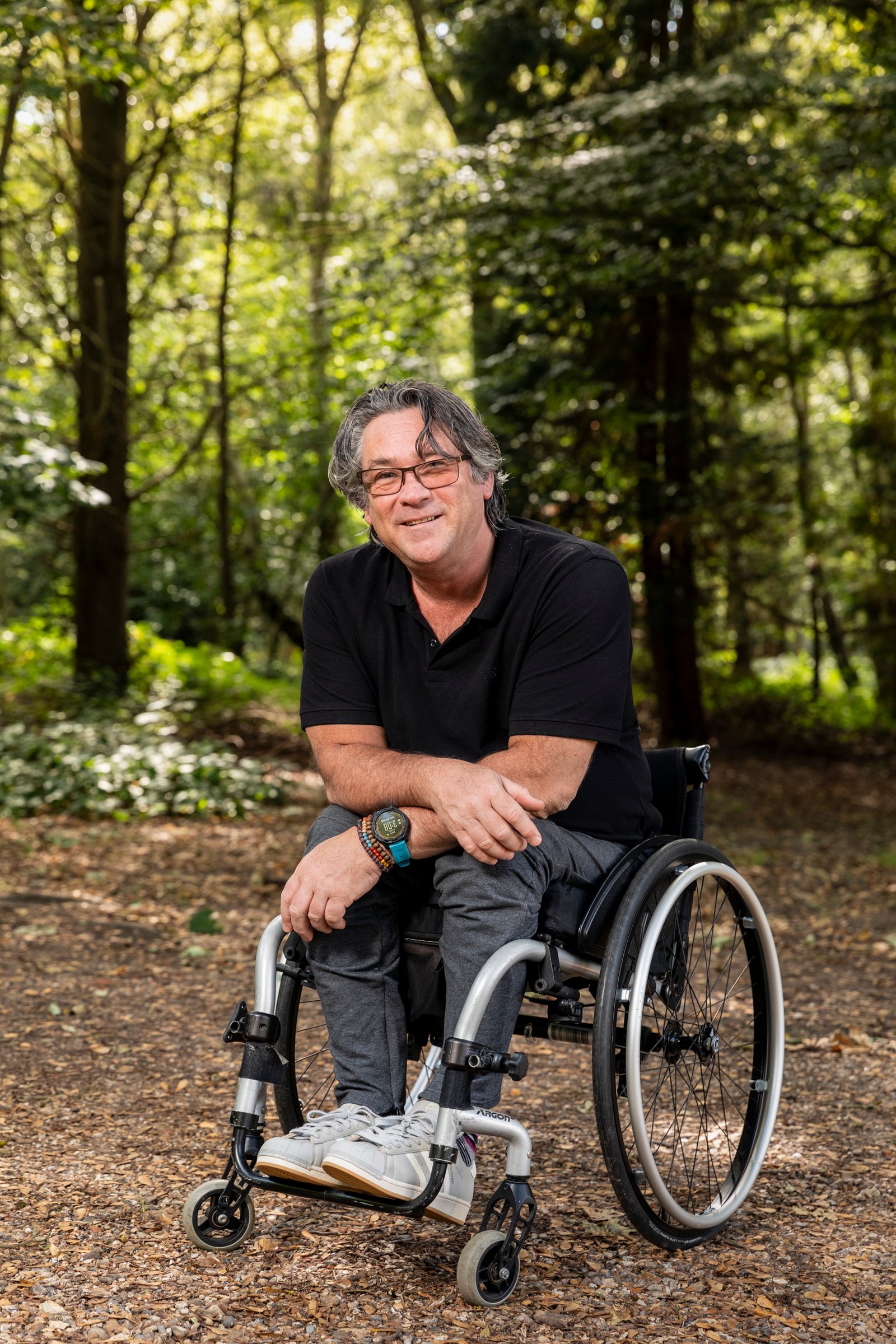
When we launched the Academy for Disabled Journalists in 2020, we had a simple but powerful ambition: to prove that disability should never be a barrier to a career in media. Six years on, looking back at what our students have achieved, the careers they have built and the recognition the Academy has received, I feel an enormous sense of pride.
What started as an ambitious idea has grown into something truly special. We have helped more than 120 disabled students access professional journalism training, gain recognised qualifications and, most importantly, turn their ambitions into real opportunities. And along the way, we have demonstrated something I have believed passionately since founding Ability Today: it’s about what disabled people CAN do, not what they can’t.
When we partnered with the National Council for the Training of Journalists (NCTJ) to establish the Academy, we knew there was a huge pool of untapped talent. Disabled people have extraordinary stories to tell, perspectives to share and skills to contribute. Yet too often, inaccessible education, recruitment barriers and a lack of opportunity prevent that talent from reaching the workplace. We wanted to change that. By creating an accessible online learning environment, supported by professional tutors, individual assistance and industry connections, we set out to give disabled people a genuine opportunity to pursue journalism on an equal footing.
Our approach has always been about more than qualifications. It is about building confidence and self belief, creating a community, developing professional skills, creating connections and helping students take that all-important step towards employment. Today, our students and graduates have progressed into opportunities with some of the biggest names in journalism, including the BBC, ITV, The Guardian, Newsquest and Kenya Broadcasting Corporation.For me, that is the real measure of our success.
One of our proudest moments came early in 2026 when the Academy received Highly Commended recognition in the Community Project of the Year category at the British Diversity Awards. The year before we had received the same award from the European Diversity Awards, so we really are an international success! We have also been finalists in the National Diversity Awards, Tech4Good Awards and Inclusive Awards. I have been honoured to be included in The UK’s Power 100 Most Influential Disabled People Awards for 4 years in a row. To have our work recognised alongside organisations making a difference to diversity and inclusion was and is a tremendous honour.
The awards recognise the Academy, but the achievement belongs to everyone who has helped build it: our students, graduates, tutors, supporters, industry partners and the team working behind the scenes.
And those awards are wonderful, but some of my proudest moments have come from hearing about our students securing their first professional opportunities. Seeing Jamie Green progress from our Diploma programme into an apprenticeship with ITV Meridian and then a full-time newsroom position was fantastic. Watching Emily Davison complete her Certificate in Foundation Journalism and secure a trainee journalist position with Newsquest was another milestone.
Then there is Matt Bassett, who progressed into a BBC Wales journalism apprenticeship, and Georgie Wyatt, who completed both our Foundation Certificate and Diploma before developing her career through The Guardian’s Positive Action scheme, published features and freelance journalism.
More recently, Harry Smith secured a place on The Guardian’s Positive Action scheme and has continued gaining newsroom experience through a placement at KMTV. These are not simply training outcomes. They are people moving into professional environments, earning recognition for their abilities and beginning careers they are passionate about.
And our success reaches far beyond the UK.
One particularly inspiring story is that of Moses Chiira in Kenya. After completing his Foundation Journalism qualification, Moses secured a role with Kenya Broadcasting Corporation. He has since gone a step further, establishing opportunities for other visually impaired aspiring voiceover artists through the VUKA Voiceover Academy. Seeing someone who benefited from our Academy go on to create opportunities for others is incredibly rewarding.
Of course, success isn’t measured only by securing a job with a national broadcaster. Every qualification represents dedication, determination and countless hours of hard work. We have recently celebrated Lucy Currier and Jill Clark achieving their Certificate in Foundation Journalism qualifications, alongside Stephanie and Ellie completing their Diplomas. Jill’s achievement is particularly significant because she uses augmentative and alternative communication, demonstrating why journalism education must be accessible to people with a wide range of communication needs.
These achievements matter enormously. For some students, gaining a professional qualification is the first step towards employment. For others, it opens doors to freelance work, further education, content creation, communications or entirely new ambitions.
Journalism is not just about newspapers and television. The skills our students develop researching, interviewing, storytelling, writing, digital production and communication are valuable across countless industries, from public relations and marketing to charities, corporate communications, digital media and the wider creative economy. That is why I believe the Academy has the potential to make an even greater contribution to disabled people’s employment opportunities.
None of this would have happened without the incredible support of our partners and the people who believe in what we are doing. Our partnership with the NCTJ has been fundamental to establishing a professional and recognised training pathway. Our tutors have worked tirelessly to help students achieve their qualifications, while industry leaders from organisations including the BBC, ITV, Sky, Channel 4, Reuters, Newsquest, and The Guardian have generously shared their knowledge through masterclasses, mentoring and industry engagement.
I also want to recognise our students themselves. Many have had to overcome significant barriers simply to access education, let alone compete for opportunities in an industry that can be incredibly difficult to enter. Their commitment, enthusiasm and achievements have been the driving force behind the Academy’s success.
As I reflect on the past six years, I am immensely proud of what we have built. We have taken an idea, turned it into an accessible professional training programme, supported more than 120 disabled students, celebrated qualifications and industry opportunities, and received international recognition for our work.
But I also know there is so much more to do. Despite the success we have demonstrated, securing the funding needed to continue and expand the Academy remains a constant challenge. That is particularly frustrating when we can see the difference the programme is making. There are talented disabled people across the country who want to work, contribute and build careers, but who still face barriers to getting started.
Our Academy has shown that with accessible education, the right support and meaningful industry opportunities, those barriers can be overcome. We don’t need to prove that disabled people have the talent. Our students have already done that. What we need now is the investment and opportunities to help more of them succeed.
We have come a long way since 2020, but I genuinely believe we have only scratched the surface of what is possible.
With the right backing, the next six years could be even more extraordinary.
Grant Logan
Founder and CEO, Ability Today
Founder, Academy for Disabled Journalists