

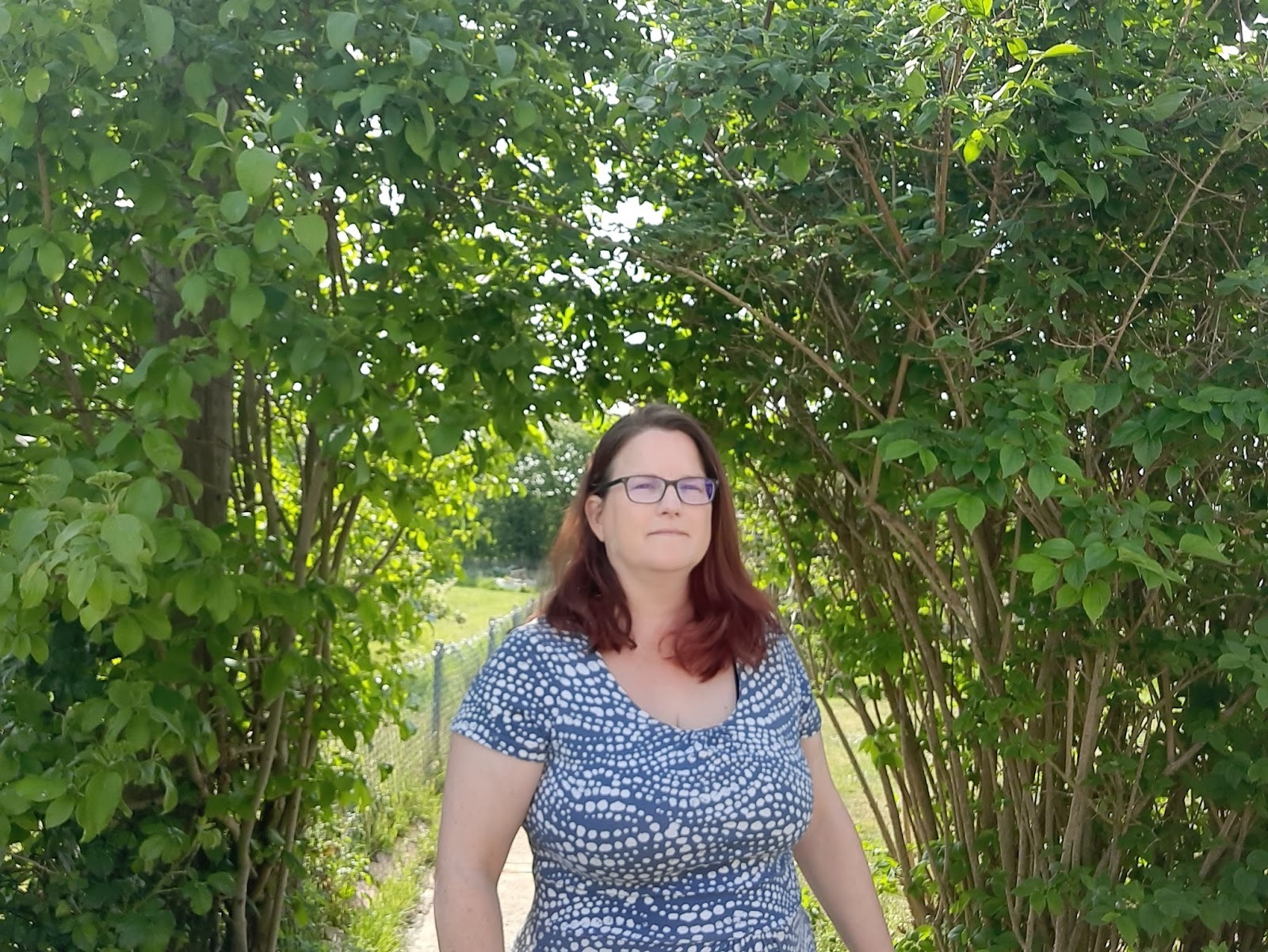
With the rising cost of living, Amie from the Cotswolds shares the hidden emotional and financial toll of being disabled and single that is rarely discussed.
Research by Scope estimates that disabled households need an additional £1,095 a month, equivalent to £13,140 annually, to have the same standard of living as non-disabled households. However, for the 48% of disabled adults not living in a couple, life can be even more expensive.
With data showing that single people in the UK face an average of £3,651 more per year in living costs compared to those in shared households, individuals who are both single and disabled may be looking at an additional £17k to have the same standard as non-disabled households.
Amie Greenfaery, a 45-year-old woman from the Cotswolds, shares the emotional and financial impact of being a single and disabled parent.
Transport and mobility
For disabled people like Amie who depend on a wheelchair-accessible vehicle, any fault, delay or routine repair can result in significant disruption. This can be especially difficult without someone to help.
“My car has been broken down for 3 weeks now, and I’ve had to rely on public transport to get around,” said Amie. “Without family close by, the only option is to take the trains or the taxis. The trains are far away without an accessible path, and taxis cost 45 pounds to go 10 minutes in any direction, so I’m basically stuck at home.”
“The train station doesn’t have an accessible platform, and the disabled bay at the train station has items blocking the bay,” Amie continued. “So in order to use a train station, I would have to go to the next village over and then the cost of trains is expensive, and they don’t always go to the places you need to visit, like hospitals.”
“We over-rely on systems and policies, and there never seems to be a mechanism for what to do if those systems don’t work for someone,” she explained.
Parenting Challenges
For Amie, managing life as a disabled single parent means every activity requires careful planning around accessibility.
“I have to make sure that parking is suitable for a wheelchair accessible vehicle, like if there’s accessibility to the property or if there’s any steps or issues with using a powered wheelchair, like deep gravel. I feel guilty that a lot of my time is wasted on trying to find a way around these norms that society has set.”
Childcare can also be a challenge, particularly for essential visits like hospital appointments. “The whole family comes with me because, as a single parent, you can’t leave your child at home for certain amounts of time. Trying to find somebody to come and look after your child, especially if you’ve got an overnight stay in hospital, can often be extremely hard to find,” she said.
While there’s financial strain, for Amie, the stress of parenting alone is sometimes worse: “I’m trying to be two people, and it’s even worse when you’ve got a disability because you’re trying to be two able-bodied people,” shared Amie.
“If I cannot do something, there’s no one else who can go in my place,” Amie continued. “I don’t get a day off, I have to keep pushing no matter the level of pain. I often have to ignore pace and spoons’ level low warnings and push through. This then leaves me in chronic amounts of pain for several days after; there’s a constant guilt for trying to facilitate your child so they don’t miss out on what their peers get to do. Barriers of access to me are barriers to him too!”
Daily Life and Routines
Due to her disability, Amie cannot spend long periods standing, so she has to rely on quick-to-prepare meals and online deliveries, paying for postage and packaging on top of usual prices, rather than visiting discount stores in person, which is often more expensive than cooking from scratch.
Amie has found ways to reduce the cost of living. “I have been using Purpl’s Morrisons discount, and it’s helped me save on my weekly groceries online. I’ve also used it for one-off purchases as well.”
Purpl is a savings platform for disabled people and people with long-term health conditions. Members like Amie save about £58 per month and over £700 a year with several homeware brands such as Hoover, EDF Energy, Samsung, eBay, Debenhams, Expedia and other fantastic offers.
Georgina Colman, Founder of Purpl, said: “After being diagnosed with multiple sclerosis, I realised how expensive and stressful life can be as a disabled person. Everyday tasks require more planning, more energy, and often more money. You have to think several steps ahead all the time, which can be exhausting.
“Everyone needs support sometimes, and it can be difficult without a partner or close family nearby. As a parent, the pressure is even greater because children bring joy, but they are also unpredictable, and disability leaves very little room for financial or practical surprises.
“That’s why I founded Purpl: to help ease the financial stress and provide a community for disabled people to share tips and support each other.”