

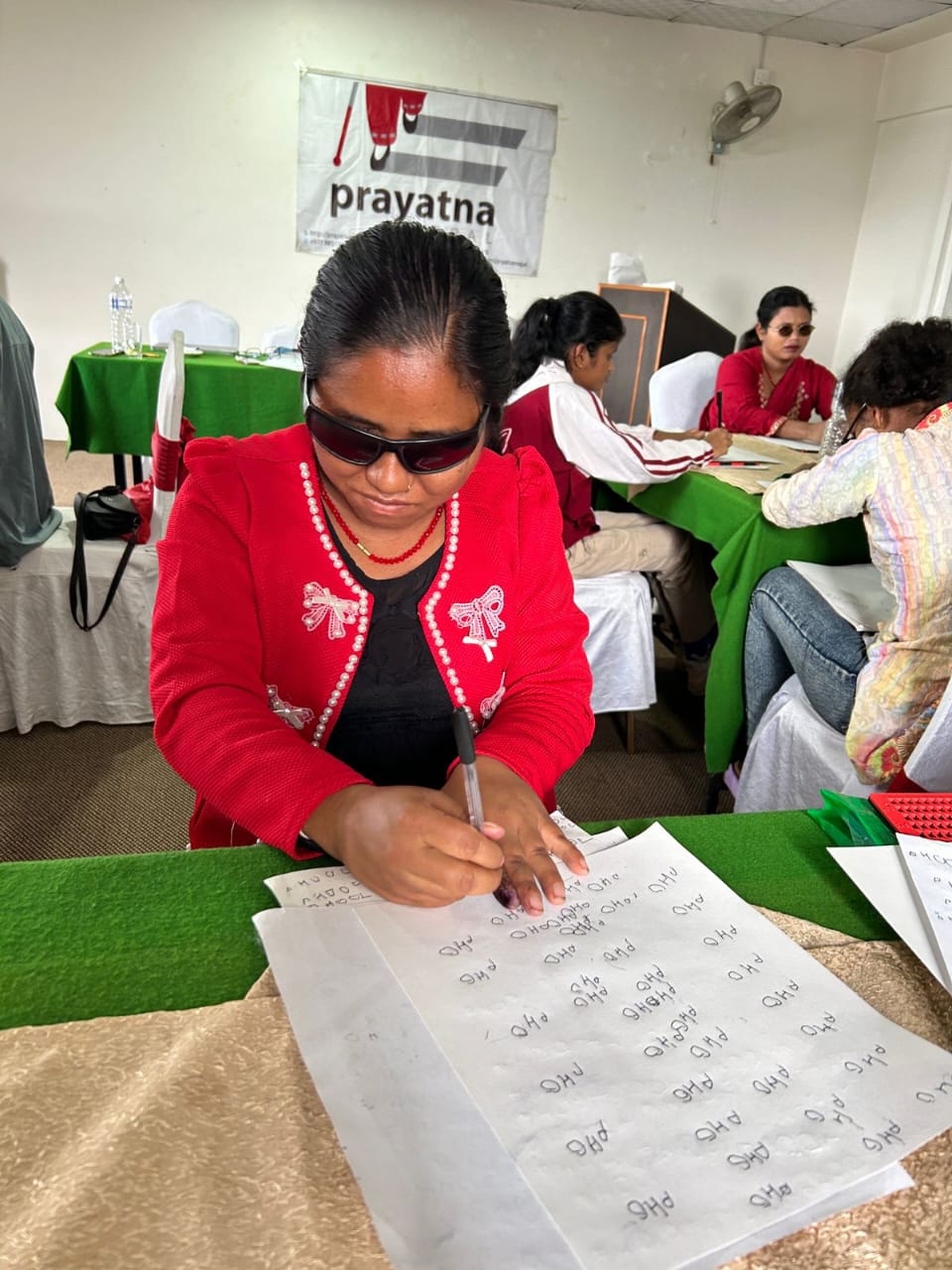
Jalasa Sapkota
The Fourth World Conference on Women in 1995 was a landmark moment in the global women’s movement, marking the first time women with disabilities united on an international stage to share their voices and experiences. This event signaled a shift toward recognizing their inclusion in gender equality discussions, which had long neglected their unique challenges. However, despite the progress made over nearly three decades since the adoption of the Beijing Declaration and Platform for Action (BPfA), significant gaps remain. A recent report by the International Disability Alliance, From Beijing to the CRPD: The Missing Keystone, highlights these persistent disparities and calls for renewed dialogue and action, particularly around issues of inclusion and the intersecting barriers that continue to shape the lives of women with disabilities. As we reflect on this history, it is crucial to ask: Has the fight for equality and inclusion of women with disabilities truly advanced in a way that meets their needs and rights?
The Legacy of Beijing: A Turning Point
The Beijing Platform for Action (BPfA) was a monumental document, adopted unanimously by 189 countries, setting forth an ambitious agenda for women’s empowerment and gender equality across 12 critical areas. While the BPfA’s scope was far-reaching, it is crucial to acknowledge that the inclusion of women with disabilities remained a persistent challenge. Less than a decade after the Beijing Conference, women with disabilities successfully advocated for the inclusion of a standalone article on their rights in the United Nations Convention on the Rights of Persons with Disabilities (CRPD). The advocacy strategies honed in Beijing proved pivotal in shaping the CRPD, particularly by promoting a twin-track approach that both integrates disability rights within the broader gender equality movement and ensures a focus on the specific needs and challenges faced by women with disabilities.
Challenges at the Beijing Conference: Accessibility and Representation
According to the IDA report, while the Beijing Conference was a landmark moment, it was far from perfect, especially in terms of accessibility. Workshops on women with disabilities were held in inaccessible venues, such as the third floor of a building without an elevator. This oversight highlighted the systemic exclusion women with disabilities faced, even in forums dedicated to equality. However, this inaccessibility paradoxically promoted a sense of solidarity among the women, as they came together to support one another, coining the phrase, “we were each other’s accommodations.” This camaraderie highlighted a critical aspect of advocacy: the need to uplift one another and advocate collectively for access and inclusion.
Maria Rantho, speaking on behalf of Disabled People International, articulated this sentiment succinctly: “Like all other women, we struggle for equal rights and opportunities.” Her words echoed the aspirations of many women with disabilities who seek not only recognition but also active participation in shaping policies that affect their lives.
Progress Made, But More Work to Do
The Beijing Declaration and Platform for Action set out an ambitious agenda for women’s empowerment, covering 12 critical areas including poverty, education, health, and violence. The inclusion of women with disabilities in the final document was seen as a significant achievement, with 32 mentions of women and girls with disabilities. For a group often left out of such global declarations, these mentions marked progress. For instance, the Platform called for reducing illiteracy among women, including those with disabilities, and ensuring their access to education, employment, and training.
It was also notable that the language used in the document had evolved, avoiding outdated and stigmatizing terms like “handicapped,” which had previously been common. Instead, the focus was on non-discrimination and equalization of opportunities. Substantial paragraphs addressed specific needs, such as ensuring employment access and legal protection against unfair job loss for women with disabilities, as well as protections for girls with disabilities facing additional barriers.
However, despite these victories, the broader inclusion of women with disabilities remained incomplete. As the report notes, the lack of a global movement that fully represents the intersectional experiences of women with disabilities has meant that the battles fought in 1995 continue today. While organizations of persons with disabilities and those working with women with disabilities have come together in recent years to respond to specific situations, questions of sustainability and inclusiveness still linger.
The Need for Timely Review and Inclusive Dialogue
In the present context, there is a pressing need for timely reviews of policies and frameworks that affect women with disabilities. The growing emphasis on digital inclusion offers new opportunities, yet it also presents challenges, particularly for those who may be further marginalized. As technology becomes increasingly integral to communication, education, and employment, women with disabilities must be central to discussions around accessibility and inclusion in these digital spaces.
Engaging women with disabilities in the dialogue ensures that their voices are not only heard but also prioritized. It is vital to adopt a participatory approach, where women with disabilities contribute to the development of policies that address their unique challenges and experiences. This requires a commitment to intersectionality, recognizing that women with disabilities come from diverse backgrounds and face a multitude of barriers.
Moving Forward: A Call to Action
As we commemorate the legacy of the BPfA, it is essential to recognize the progress made and the work that lies ahead. Women with disabilities must not only be included in conversations around gender equality but should also be at the forefront of these discussions. Their experiences, strengths, and perspectives are invaluable in shaping a more inclusive future.
The collective voices of women with disabilities, as expressed at the Fourth World Conference, resonate with urgency today: “We came here to expose our abilities. We came here to strengthen networking among women with disabilities and other women. We came here to make ourselves visible.”
As we move forward, let us honor their commitment and work toward a world where women with disabilities are fully recognized, included, and empowered in every aspect of society.
I am Jalasa Sapkota, writer, researcher and disability rights advocate.