

Before reading this book, I held a traditional view of what activism is (immediately picturing marching on Downing Street with megaphones and placards). I’m pleased to say this book challenged that view.
It starts by outlining why sensitivity can be beneficial in terms of social justice and activism, before exploring the What, Who, When, and Where regarding social justice. There are then dedicated chapters explaining each of the following activism roles:
Connectors, Creatives, Record Keepers, Builders, Equippers, and Researchers.

Photo by Beth Andrew-Dann
Donald Trump and the “Age of Anger”
I was very struck by how timely this book is. Cheng-Tozun states that (particularly in North America and Europe) “those who speak louder, faster, and more often are considered stronger leaders and more knowledgeable experts”, citing Donald Trump and Vladimir Putin as examples of authoritarian leaders with ongoing popularity in their countries.
She goes on to reference what experts have called the “age of anger”, whereby in present day society “shocking acts of mass violence, belligerent nationalism, hate groups, abuses of power, racism, sexism, xenophobia, homophobia, and more harm our communities and crowd our headlines and social media feeds on a regular basis”.
I believe that all of the above will resonate with many people at this moment in time.
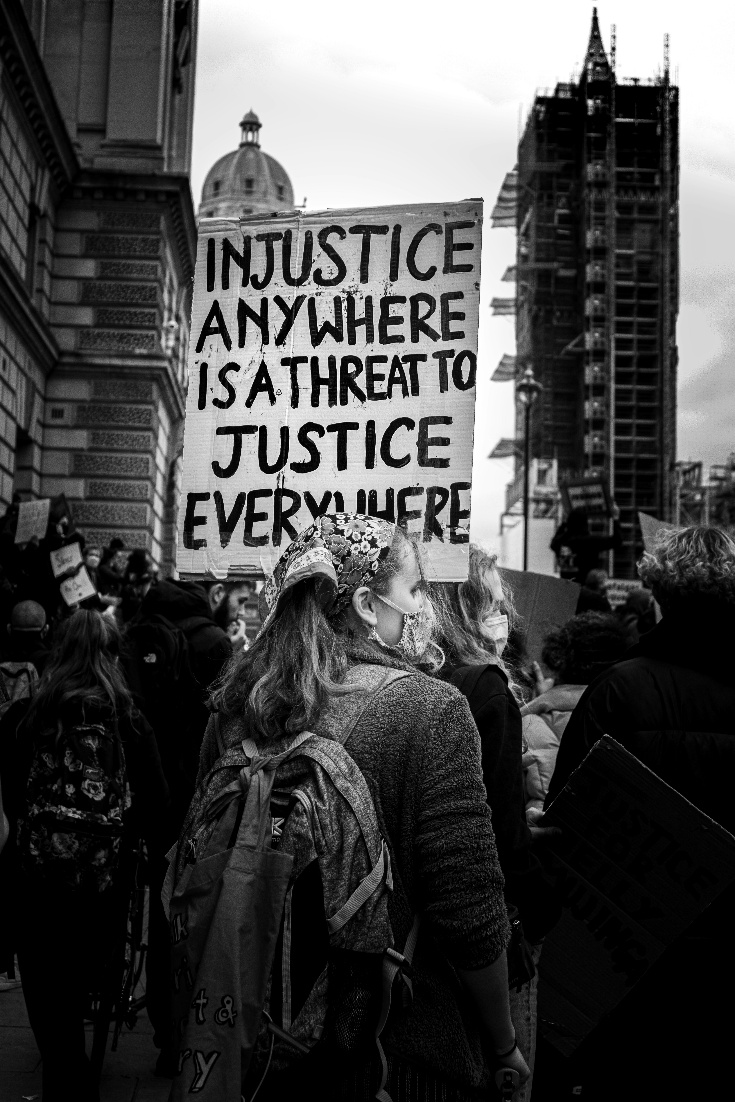
Justice is universal. Photo by Jack Skinner on Unsplash
Disabled People and Activism
It also occurred to me when reading this book that the many different types of activism listed could be applicable to members of the disabled community who do not wish to or are unable to participate in physical protests such as marches, rallies, and sit-ins.
This is key when considering how to continue building upon what has been a long history of activism from the disabled community, with recent examples including towards proposed welfare reforms and the ‘abandonment’ of disabled people in the COVID pandemic.
This shouldn’t, however, manifest as pressure or expectation that all disabled people should be participating in activism. It needs to be considered that some disabled people will have fluctuating energy levels, and also that activism isn’t for everyone.
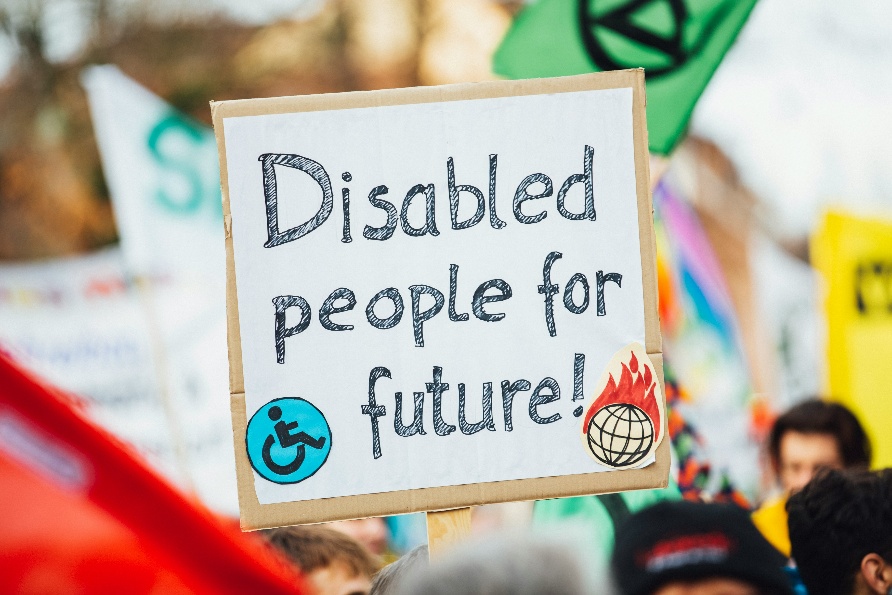
Disability Activism. Photo by Markus Spiske on Unsplash
Conclusion
To conclude, parts of this book were a sobering read given the ongoing geopolitical tensions and societal issues currently happening in the world. However, this helped to reinforce the importance of social justice and what we can each do to help as global citizens.
I was also impressed with the different types of actions and roles outlined within this book, some of which I never would have considered to be forms of activism.
I definitely recommend this book, especially for people who want to try and make the world a better place but don’t quite know where to start.
by Beth Dann, Academy student