

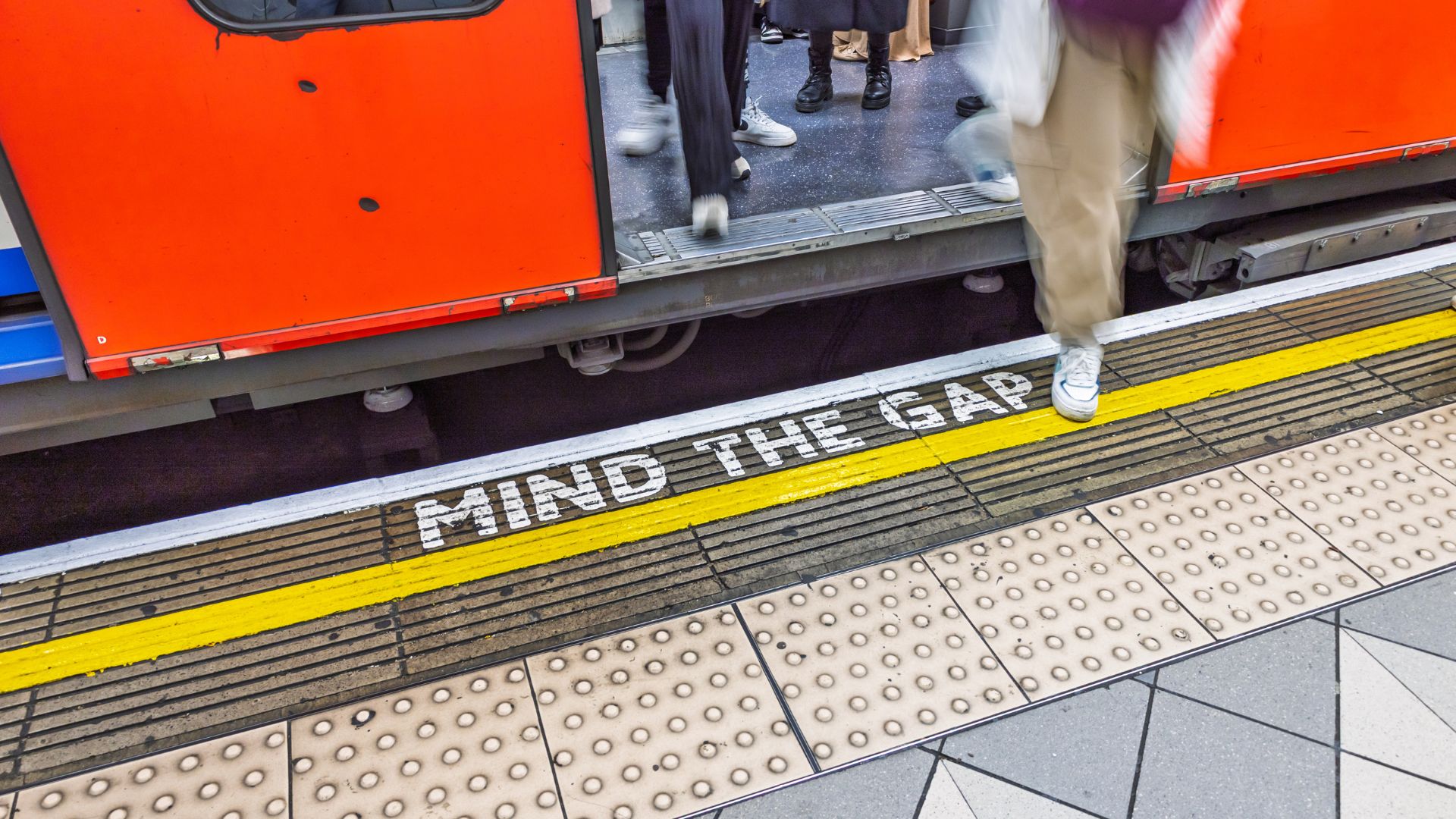
Engineers call for integrating the retrofitting of stations and disabled access points directly into the procurement process
Inaccessible transport is shutting millions out of work, education and healthcare – and dragging down economic growth in the process, according to the latest research from the Institution of Mechanical Engineers. As the population ages, this is no longer a marginal issue, it’s a nationwide transport failure hiding in plain sight.
Public transport that excludes people is not a functioning public service, according to the report, En route to inclusive public transport, it is keeping talented people out of the workforce and training for the skills of tomorrow, weakening the economy. The research argues that government cannot build its way out of this crisis with impressive new projects while old barriers remain embedded across the network.
Integrating the retrofitting of stations and disabled access points directly into the procurement process will make sure accessibility is built in from the start. This ‘disability smart procurement’, mandating tactile paving, lifts and accessible signage into the initial tender, is significantly cheaper than trying to put things right after a project is completed.
James Partington, Director of Engineering Policy and Impact from the Institution of Mechanical Engineers said:
“Most of today’s transport system was never designed to be inclusive — and that is where the biggest failure lies. Accessibility will not be achieved by new projects alone. The greatest need is in the infrastructure people are using right now, it needs to be made fit for purpose and available to all. It doesn’t matter how many wonderfully accessible new trains are commissioned, if it remains impossible for everyone to get to the platform unaided.
“There needs to be a total reset in how transport success is judged — away from box-ticking and towards real-world outcomes. People with disabilities need to be included in developing transport system from the very start of any project.
“Accessibility is no longer a ‘nice to have’. It is the test of whether public transport is fit for purpose. If people cannot complete a journey safely and independently, the system is broken.”
Retrofitting must be treated as core infrastructure investment, not a discretionary extra, with funding going first to the places that cause the greatest exclusion, not the places that are easiest to upgrade.
Britain’s ageing demographics, with people living longer and needing to live as independent lives as possible, is a further pressing problem. Ministers are urged to redirect funding towards fixing stations, vehicles and interchanges that actively block travel, rather than announcing new schemes that leave old ones untouched.
The report warns that delay comes with a cost — to individuals and to the economy and that a country cannot build an inclusive future on an inaccessible past, with new transport projects meaning little if old ones still exclude.
The report concludes with a blunt challenge to policymakers:
“If transport works for the people who struggle most to use it, it will work better for everyone.”
Institution of Mechanical Engineers: En route for inclusive Transport
When – Tuesday 17th March
Time – 17.30 – 19.30 with networking and refreshments to follow
Where – 1 Wimpole Street, London W1G 0AE
Keynote Speaker – Baroness Tanni Grey-Thompson, former Paralympic medallist