

Selena Gomez’s make up brand Rare Beauty recently launched its first fragrance, made with accessible packaging. It has been designed with hand therapists and packaging engineers to ensure ease of use for disabled customers with dexterity challenges.
This is a continuation of Rare Beauty’s philosophy of inclusive beauty, with Gomez sharingthat her personal experience with Lupus meant she sought out accessible packaging.
This led to a partnership with the Casa Colina Research Institute (CCRI), who have carried out a study highlighting the importance of inclusive design in beauty products (including suitable shapes, grip, and ease of use).

Disabled people leading the design process
Though the beauty and fashion industry is still inaccessible for many disabled people, there are other brands alongside Rare Beauty who are working hard to make the industry more accessible.
One example is Unhidden, a fashion brand with a mission to “normalize inclusive design” (Unhidden, 2025). Victoria Jenkins, the brand’s founder, is a disability campaigner who designs clothing that is both comfortable and stylish, which opens up greater opportunity for self-expression through fashion.
Both Unhidden and Rare Beauty show the importance disabled people leading the design process. Disabled people can ensure that products are both practical and genuinely accessible, which in turn can establish permanent products instead of temporary and tokenistic products.
The cost of accessible beauty
Though progress is being made with inclusive design, it’s important that product prices are reasonable, so disabled people are not priced out. This is important given that disabled people are more likely to experience economic hardship and poverty than non-disabled people.
There is also a human cost to exclusion. Beauty and fashion can be used not only for comfort and practicality but to express identity, resistance, and solidarity. When disabled people don’t have suitable options available, there’s a human cost of not being able to have equitable expression
Finally, accessible beauty pushes back against negative “rhetoric that devalues disabled people and undermines their human dignity” (Equity, 2024). In the UK there are negative stereotypes which seek to dehumanise disabled people (e.g. undeserving, scroungers, fraudulent). In this author’s opinion, disabled people are more than deserving of equal opportunity to express and celebrate their identity and humanity, and do in fact deserve nice things.
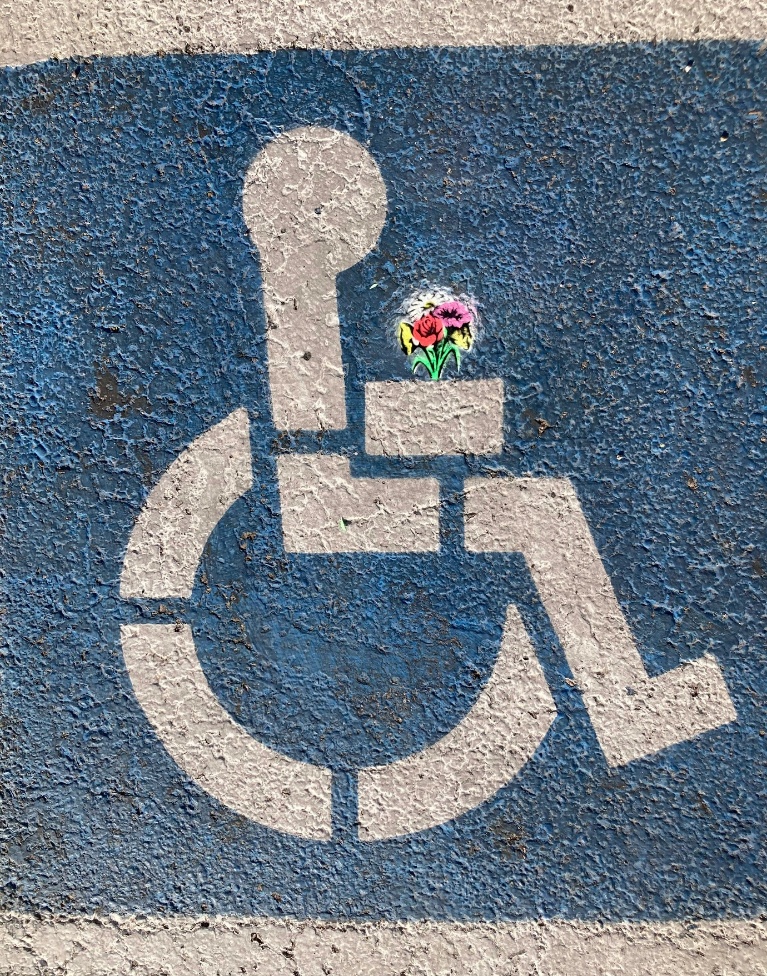
The disabled community is a beautiful community. Photo by Robert Harkness on Unsplash
by Beth Dann, Academy Student