


Today (1st May 2024), the online disability magazine Crip Life™ is celebrating one year of dismantling disabling barriers one article at a time. Over the past 12 months, it has published 100 articles, interviewed some incredible disabled people from the world of entertainment, sport and business and collaborated with more than a dozen disability organisations and entrepreneurs.
To celebrate its first milestone, Crip Life™ is doing a series of articles titled Reclaiming The Word Crip, which will acknowledge and praise the reclaiming of the words “crip” and “cripple” by artists, producers, writers, podcasters, communities and businesses.
Since launching Crip Life™ in May 2023, the team had mixed reactions to its choice of name. When they mentioned the name to friends and family, they were either met by a stunned silence or from those a little braver, “I don’t like it.”
The reason is that crip is regarded as a derogatory term for people with disabilities. The neurotypical and able-bodied amongst us regard this term as insulting and demeaning.
Well, for its co-founders, if crip is these things, they certainly wouldn’t have decided to name the online magazine using it.
For people who may have less knowledge of the origins behind the word crip and are unaware of the crip social movement, Crip Life™ started with an article titled Why (on earth) call it Crip Life?, which detailed all this, in the hope people would gain a better understanding and learn to embrace the use of the word crip.
However, the team have still received negative feedback about the name, with the most recent just a couple of months ago when somebody recommended the magazine to a disability community group and a moderator took it down.
Despite this, Crip Life™ has managed to grow a good amount of support, which has included more than 1000 followers on Instagram, hundreds of monthly visitors and had several businesses come on board with its advertising services, including Nimbus Disability, LanzAbility, Southbank Centre and Transport for London.
In addition, Crip Life™ has had the pleasure of interviewing multiple high-profile disabled people including actors Jack Carroll, Tommy Jessop & Arthur Hughes, comedian Chris McCausland, inclusive fashion designer Victoria Jenkins, plus many more.
But of course, Crip Life™ wants to grow more and one day become the most popular, trusting, engaging and newsworthy disability online magazine in the world.
Starting today at 10am and over the next four weeks, Crip Life™ will be publishing a series of articles showcasing disability organisations, disability literature, TV shows & films and disability podcasts, all of which are also proudly embracing and taking back power on the word crip. Some of these include CRIPtic Arts, a performing arts company, the publication Cripple Media, the book Cripple – A 21st Century Parable by Nick Maynard, the Netflix film Crip Camp and the podcast The Cripple Chronicles.
Publishing this series will hopefully give a better understanding of the word “crip” and highlight some of the many tens and hundreds of individuals and organisations that are also reclaiming the word crip. By doing this, Crip Life™ wants to change perceptions of the word crip and raise its profile as a resourceful, engaging and trustworthy publication.
Emma Purcell, co-founder and editor at Crip Life™ said: “I can’t believe a year today I pressed publish on Crip Life™. We’ve had a whirlwind of success! Our online magazine, which is FREE to read anywhere in the world, has produced a variety of engaging and informative content that appeals to a wide range of readers in our community. I’ve loved conducting and publishing interviews with disabled celebrities and collaborating with some incredible organisations. Plus, I’m so proud that we were named a finalist in the BizBubble Awards, being recognised for our inclusive work.
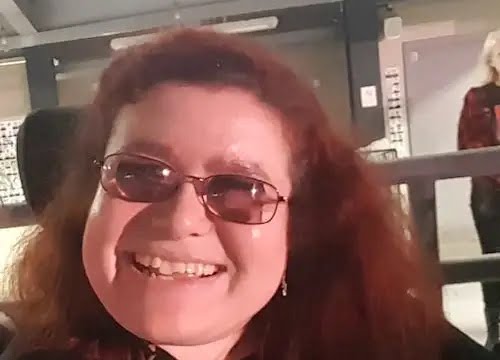
“I would like to thank all the individuals and organisations that have supported us over the past 12 months. I hope you can continue to support us and more people will join us on our inclusive venture – by helping us to liberate the word crip and by dismantling disabling barriers one article at a time.”
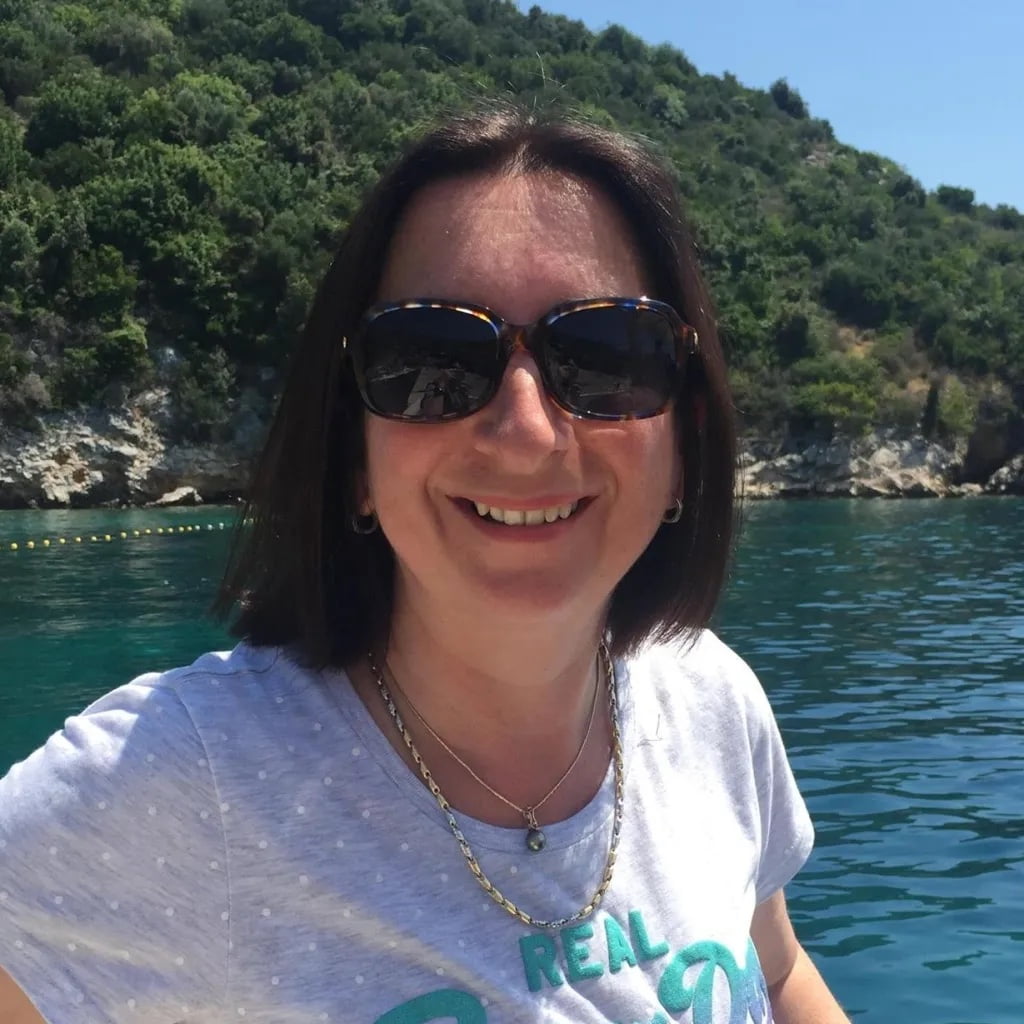
Joanna Baker-Rogers, co-founder and advertising manager at Crip Life™ said: “I can’t believe it’s been a year since we launched Crip Life™. The articles Emma writes have received brilliant feedback. I am very proud of the diverse content and how readers have engaged with Crip Life™. I’m really looking forward to seeing what our second year will bring us.”
You can find out more about Crip Life™ by visiting criplife.co.uk and following Crip Life™ on Facebook, Twitter, Instagram and LinkedIn.
For further enquiries or interview requests, please email editor@criplife.co.uk
-ENDS-
Notes to editor
About Crip Life™
Crip Life™ is an online disability magazine dismantling disabling barriers one article at a time. Launched in May 2023, it was founded by Emma Purcell and Joanna Baker-Rogers, two former colleagues of a previous disability publication who both have personal experiences of living with a disability. As Emma and Joanna are both passionate about writing, campaigning and raising awareness of disability, they wanted to continue this and create their own platform that would bring extraordinary content and grow an even bigger disabled community.
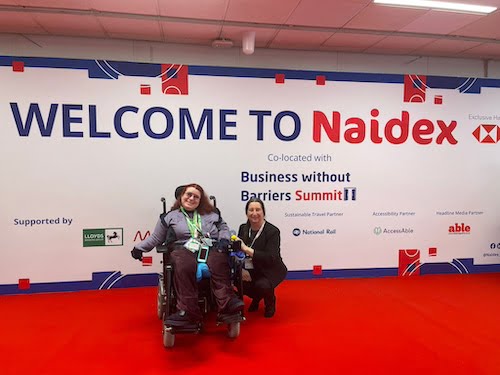
The mission at Crip Life™ is to raise awareness and educate what life is really like for people living with a disability and/or health condition, provide advice and support to disabled people and their families and create a disability community where people can share their thoughts, experiences and achievements.
In essence, Crip Life™ wants to banish the physical and social barriers that stop people with disabilities from living the life they want to lead. This is being delivered by creating interesting, informative and exclusive disability-related content that is exciting, newsworthy and engaging. The team is not afraid to push the boundaries and publish content that may be controversial or difficult to read.
Crip Life™ offers a range of services and collaboration opportunities including its Pay What You Can advertising services, the option for disabled students to publish their research, cross-promotion collaborations with organisations and opportunities for people to share their personal stories. Further information can be found on the Work With Us page.