


PRESS RELEASE
MAY 2024
Euan’s Guide Access Survey uncovers EV charging network excludes disabled users
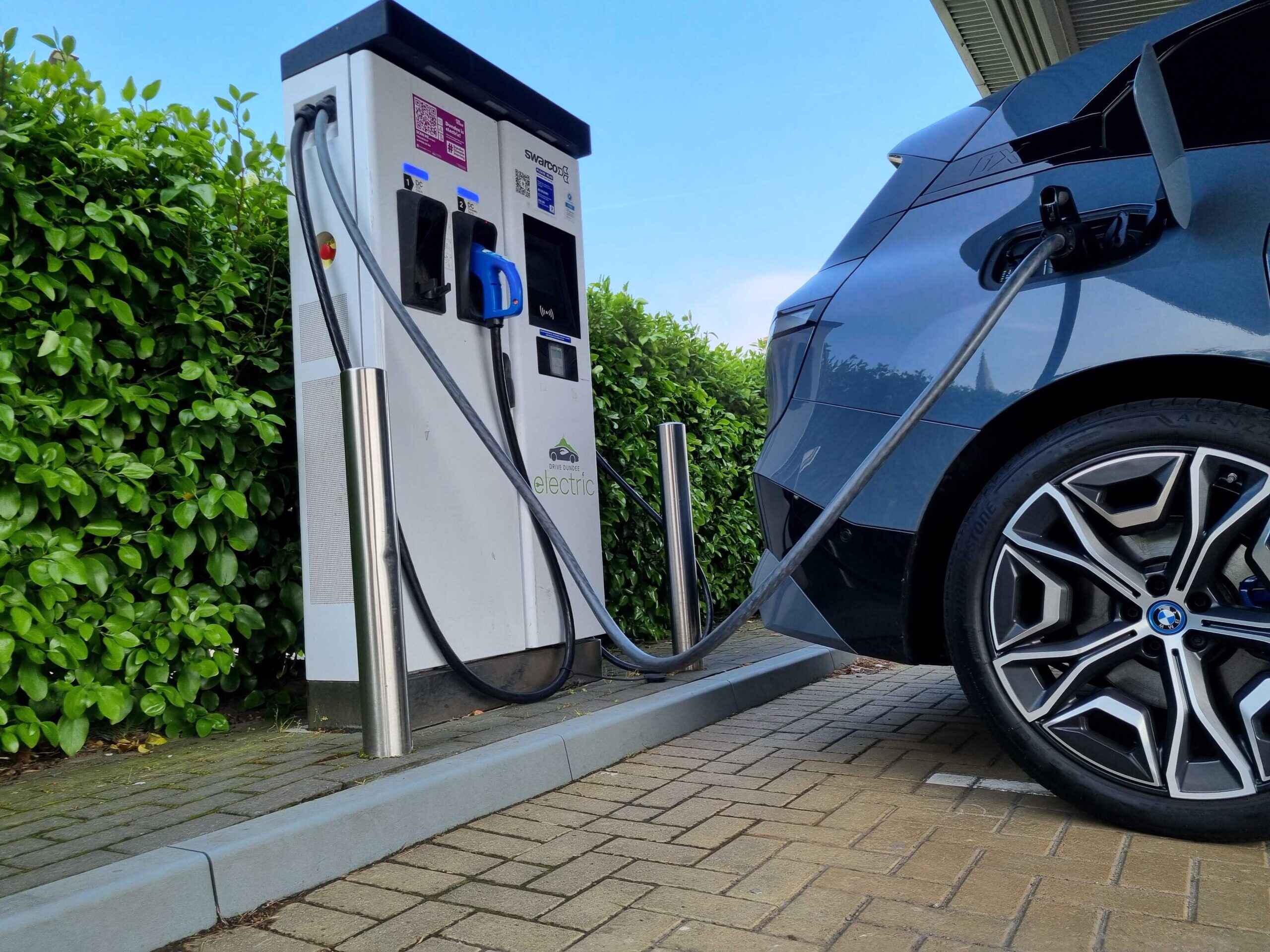
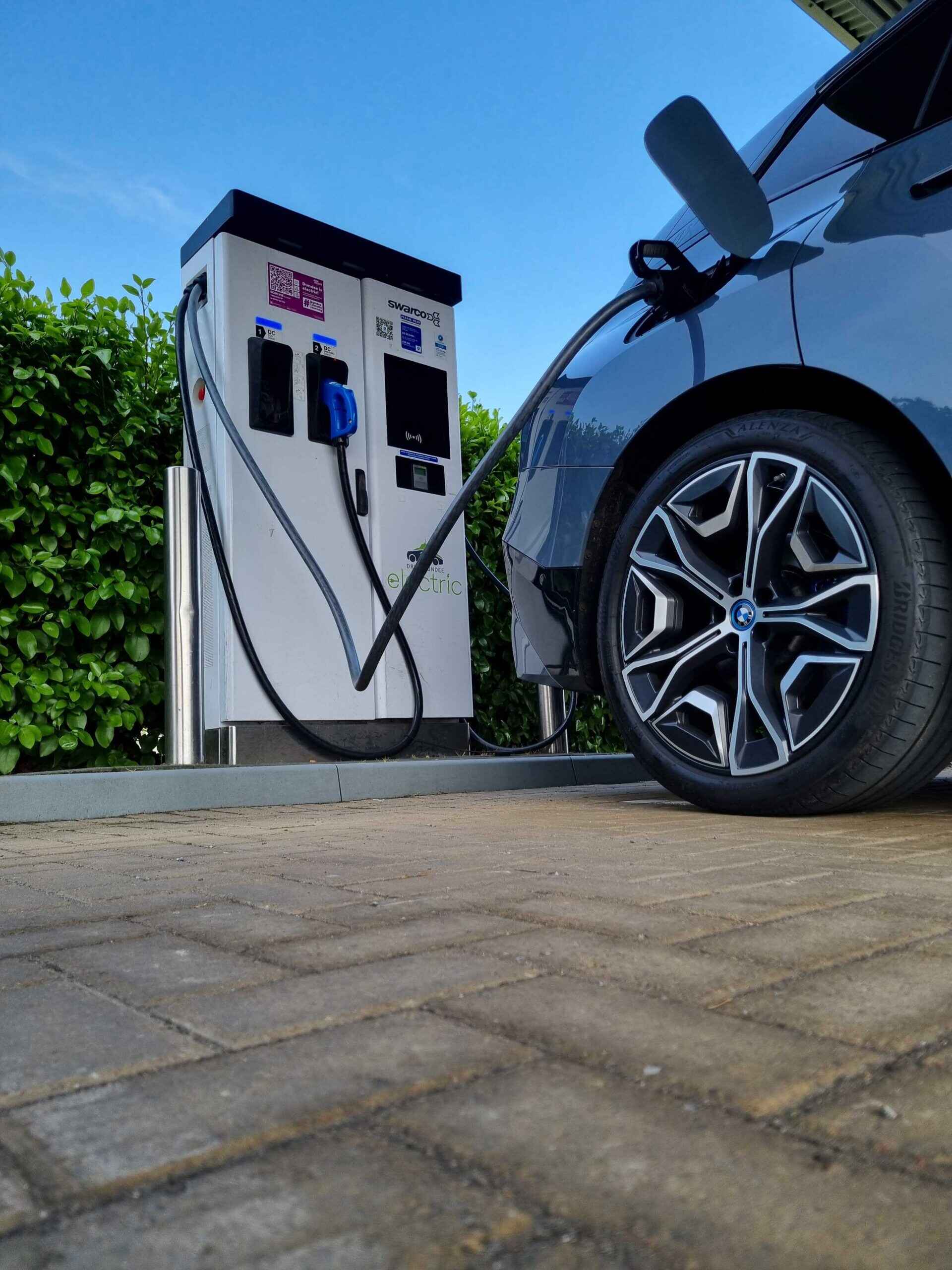
The electric vehicle (EV) charging network excludes disabled people from electric car ownership, with 75% of disabled people with experience of public electric charging points saying accessibility is very bad or bad according to the 2023 Euan’s Guide Access Survey supported by Motability Operations.
Of the 6,000+ survey participants, 38% said they would not consider having an electric vehicle, with many comments suggesting that disabled people believe the infrastructure isn’t viable, and that many public charging points are inaccessible.
94% of Access Survey respondents said their main mode of transport is by car, yet only 27% said they’d consider having an electric vehicle and a meagre 11% said they already have an electric vehicle, whereas electric cars made up nearly 24% of overall new car sales in 2023 (Source: ZapMap).
When asked if they had experience of public electric vehicle charging points and how they would rate their accessibility, 46% of respondents said they were very bad and 29% said they were bad.
As of January 2024, there are over a million registered battery electric (BEV) cars and a marked year-on-year increase of 52% for battery and plug-in vehicles (Source: SMMT and WeBuyAnyCar.com), yet disabled people are excluded from using EVs because of inaccessibility around charging.
Comments received in the Euan’s Guide Access Survey explain the challenges faced by disabled people when it comes to electric vehicles, Wheelchair Accessible Vehicles (WAVs), and the charging of EVs.
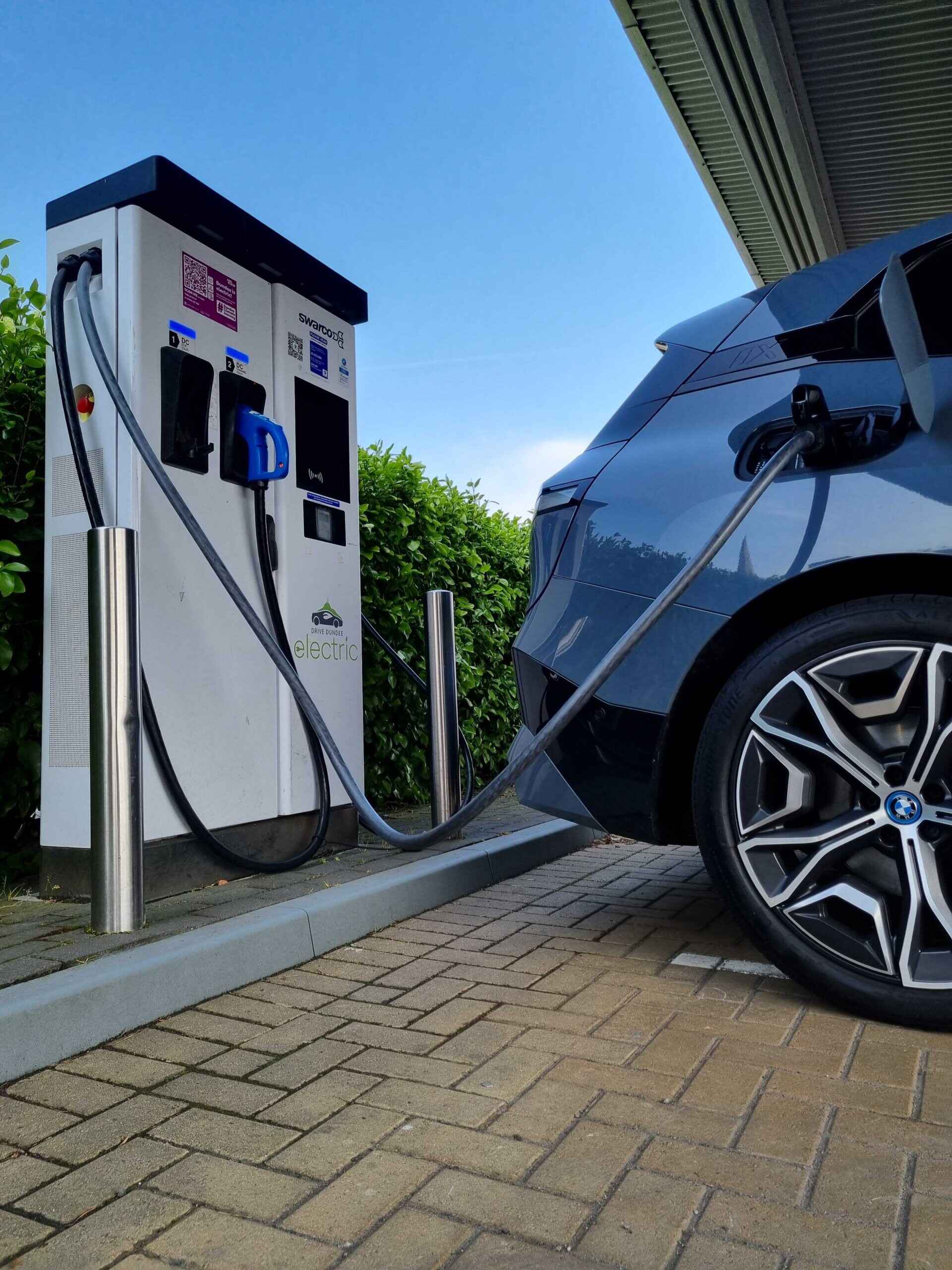
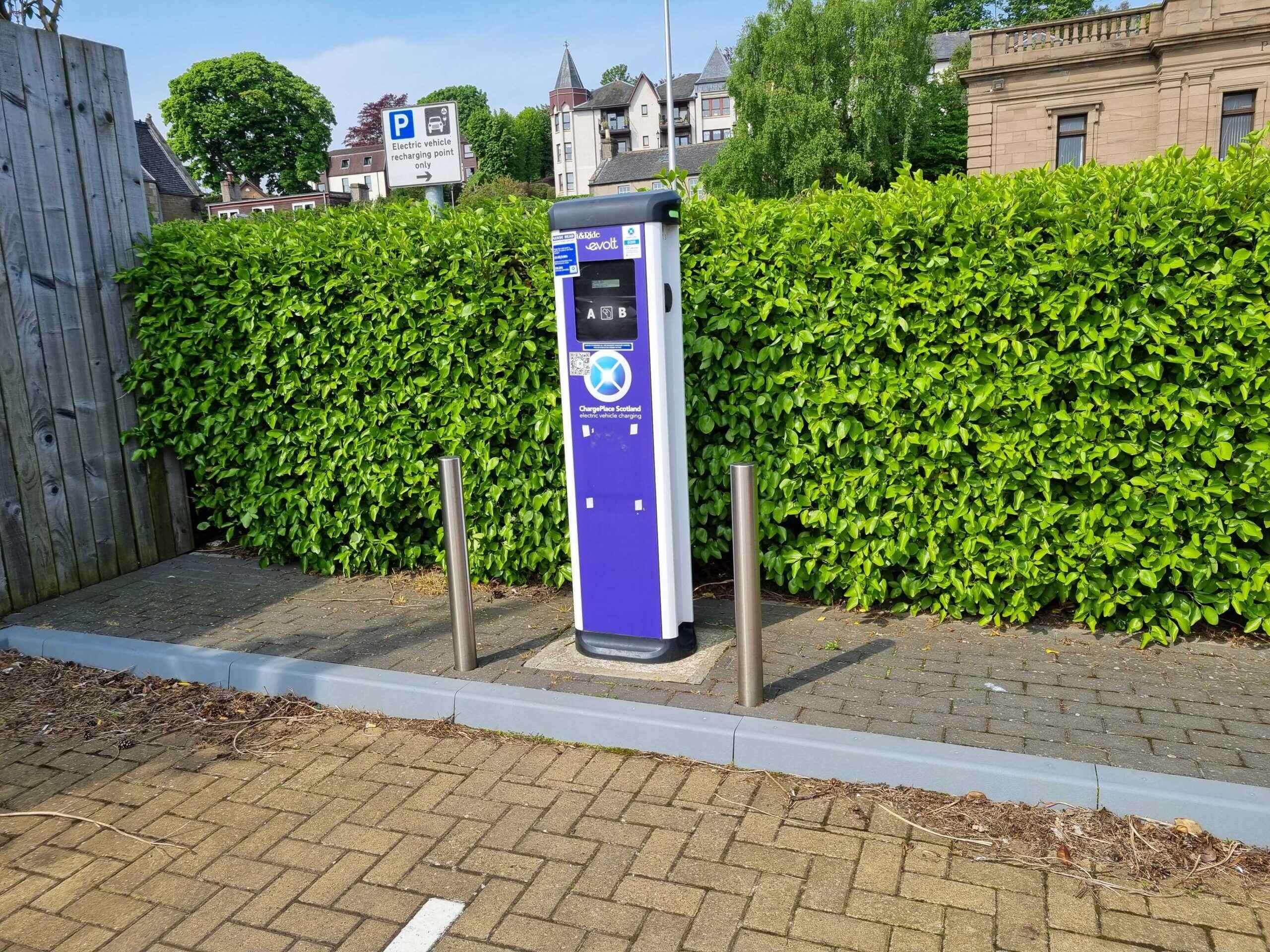
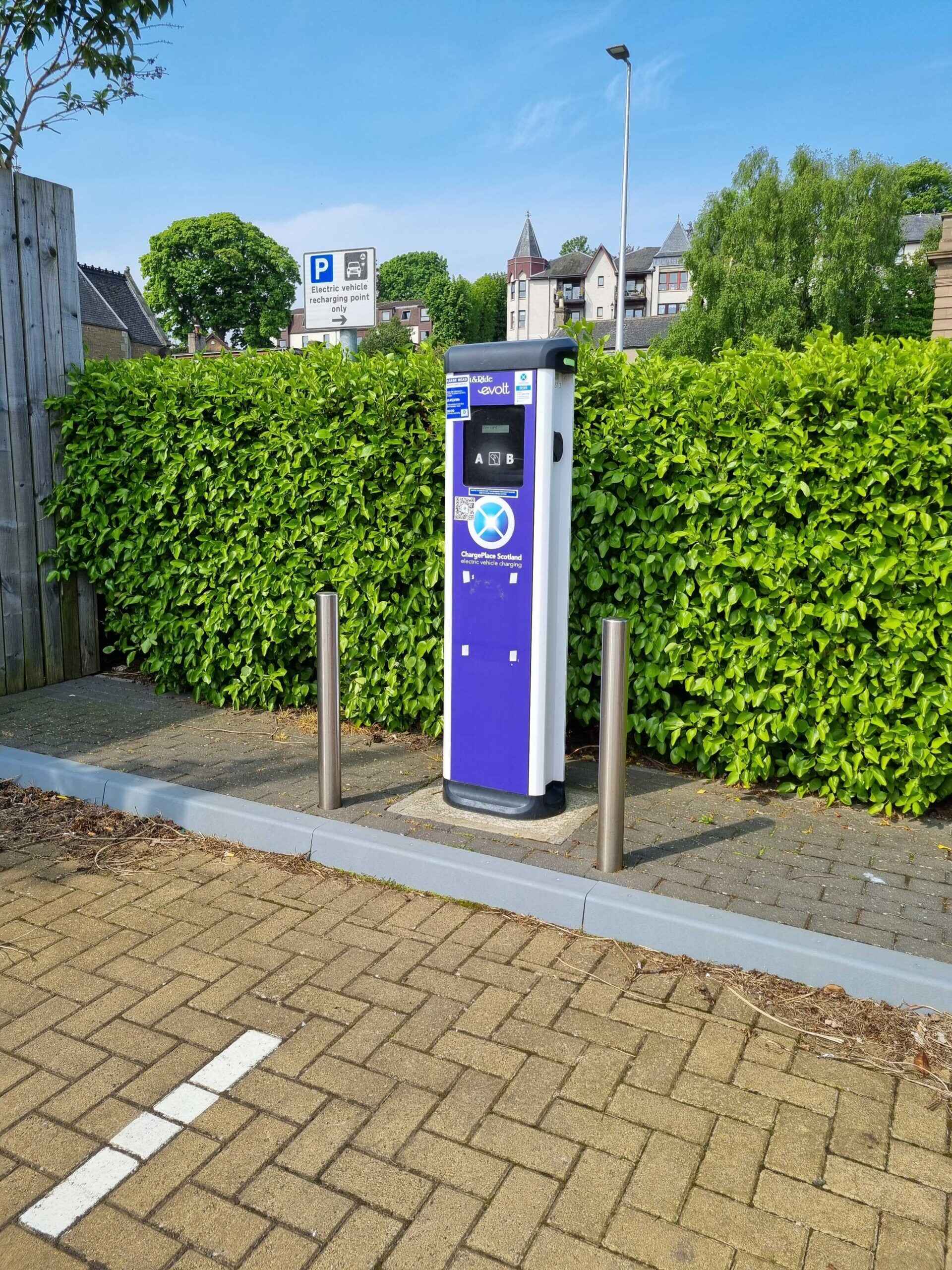
“I have not used a public electric vehicle charging point. If I ever do, I am concerned about them being inaccessible because they are on a raised plinth and the payment mechanism being too difficult to reach.”
“I have not purchased an electric vehicle because charging points especially at supermarkets are too far from the stores and I need to get inside to get a wheelchair. I am terrified of going on a journey and being unable to access chargepoints before running out of charge and then getting stuck.”
“My wife has an electric vehicle so we have used public charging points in various places. All have been inaccessible for me and seem to have had no consideration for how a wheelchair user would operate them.”
“There are no electric vehicle charging points accessible from disabled parking spots, so it isn’t possible to park, get out the car and access the venue while the car is charging.”
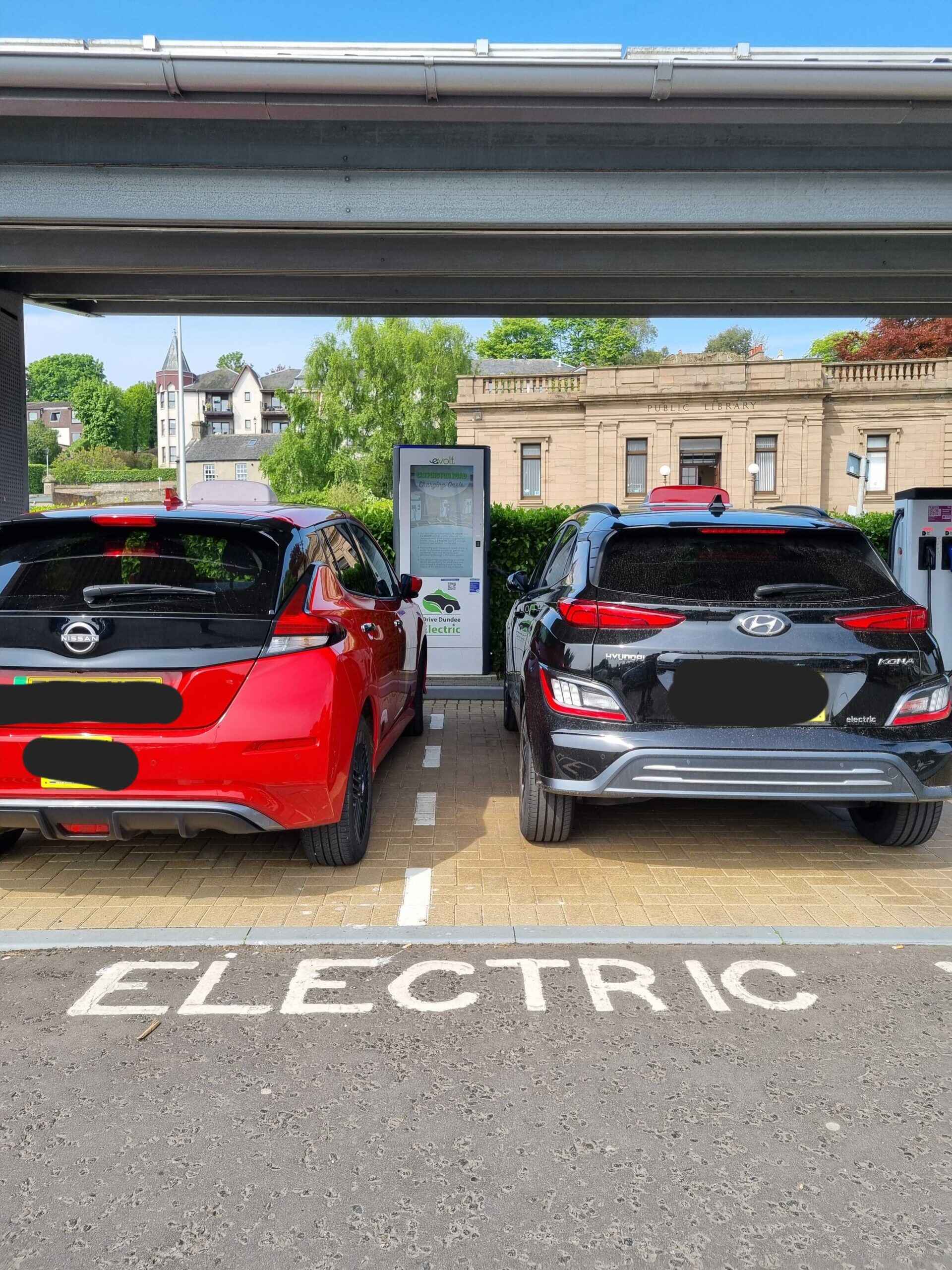
Euan MacDonald, founder of Euan’s Guide, said: “Electric vehicles aren’t just about reducing emissions. For disabled people, EVs should offer not just a greener future, but a more inclusive one.
“As a Wheelchair Accessible Vehicle (WAV) user, I’m worried about being able to get out and about in the future. I have huge concerns about the transition to electric vehicles due to the lack of electric WAVs available.
“Sadly, the infrastructure to support disabled people having electric vehicles – from accessible charging points to WAVs – isn’t ready.
“We’re proud to be working with Motability Operations to amplify the voices of disabled people by sharing their views, opinions and experiences around disabled access and electric vehicles through our annual Access Survey.”
Motability Operations Chief Executive, Andrew Miller, said: “These findings are concerning, and our customers are telling us the same things. EVs are key to a greener future, but many people don’t have off-street parking or readily accessible public charging points. This can limit their ability to make the switch.
“While the industry moves towards EVs, accessible charging infrastructure needs to catch up. Without it, going electric might not be a realistic option for many in the near future as petrol and diesel prices rise. We’ve invested £300M in EVs and partnered with innovators to create solutions: an accessible charging app, a first-of-its-kind electric WAV concept, and pilot schemes for customers who live in flats. However, collaboration is key; the government and the wider industry need to prioritise accessibility and inclusion from the start.
“Our customers are representative of the wider population, so by working together to remove these barriers for them, we can ensure no one gets left behind.”
Cost of living
Another issue raised in the Access Survey was the cost of charging electric vehicles. With disabled people being disproportionately affected by the cost of living crisis, other comments received in the survey expressed concern about the additional electricity bills.
“I have a WAV from Motability. I probably won’t get an electric car next as they are far too expensive.”
“My condition means I am already a high energy user. Bills are outrageous. I fear what they’d become if I added charging for an electric vehicle.”
“I have a hybrid car but since the cost of living and the rise in electricity I’ve not charged my car as it costs more than it does to fill with petrol.”
How to help
Euan’s Guide is encouraging disabled people to review EV charging points on EuansGuide.com so that other disabled people can know what to expect if they’re planning any travel. Likewise, venues can promote their EV charging points and accessibility information by listing them for free on EuansGuide.com.
2023 was the ninth access survey by the award-winning disabled access charity Euan’s Guide, and the third year that the survey has been supported by Motability Operations, the company behind the Motability Scheme.
The 2023 Euan’s Guide Access Survey asked the following questions:
What are your main modes of transport?
94% car – owned or leased
15% car – lifts from family or friends
13% taxi
With the trend toward electric vehicles, would you consider having an electric vehicle?
27% yes
38% no
11% already have an electric vehicle
21% don’t know
If you have experience of public electric vehicle charging points, how would you rate their accessibility?
46% very bad
29% bad
If you have experience of public electric vehicle charging points, have you experienced any of the following issues?
36% – Size and layout of the bay not suitable for my access requirements
35% – Screen too high or too difficult to read
38% – Payment or card mechanism too high or too difficult to use
39% – Fixed charging cables too heavy, not long enough or otherwise unsuitable
43% – Charger inaccessible due to being on a raised plinth or pavement
62% – Surrounding pavements and environment lacking dropped kerbs
37% – Size and layout of the bay not suitable for Wheelchair Accessible Vehicles (WAVs)
To view the full 2023 Access Survey report and results visit: www.euansguide.com/AccessSurvey
-ENDS-