

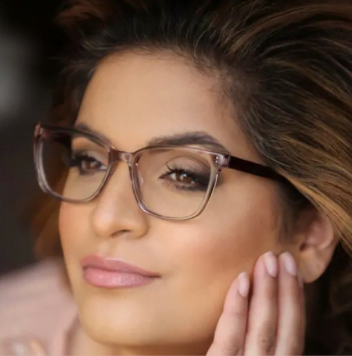
It always fills us with pride when our Academy students achieve incredible milestones. Recently, Certificate in Foundation Journalism (CFJ) student Sunita Thind shared her exciting news with us: she’s been selected for the prestigious ‘A Writing Chance’ Journalism Programme! In this candid Q&A, Sunita opens up to Grant about her journey, from battling impostor syndrome to embracing this amazing opportunity.
1) Congratulations on being selected for the ‘A Writing Chance’ Journalism Programme! How did you feel when you first found out the news?
Thank you! I was absolutely gobsmacked; I had real impostor syndrome and didn’t feel like I deserved it, but I was secretly gleeful. I think I’m still in shock and am holding onto that pink cloud to savour it like candy floss. It’s such an honour to be chosen from among thousands of writers. I just need to work on my confidence now.
2) Can you tell us a bit about the application process for the programme? What steps did you have to go through?
The application process was a bit of a blur. I applied for both the fiction and newspaper strands, submitting my novel about a biracial Punjabi-Malay, Irish girl trying to find a cure for her infertility after cancer. I also had to provide a selection of articles on issues faced by South Asian women and women with cancer. It was a nerve-wracking experience, but ultimately rewarding.
3) What motivated you to apply for the ‘A Writing Chance’ programme, and what are you hoping to achieve from it?
To be honest, I’ve always been driven. My parents taught me that hard work will pay off and that my time will come. Even though I had applied for so many things—awards, scholarships, grants—I never actually believed I would get into a programme of this calibre. I’m hoping to gain the confidence and skills needed to advance my career in journalism through this experience.
4) Can you share some details about the ‘A Writing Chance’ programme? What does it entail, and what kind of opportunities will you have?
The programme offers a £2k bursary, expert talks, a free Arvon writer’s retreat, a writing mentor, and visits to places like Faber & Faber, Daily Mirror, and Audible UK, among others. It’s an incredible opportunity to learn from industry experts and immerse myself in the world of journalism and writing.
5) What aspects of journalism are you most passionate about, and how do you think this programme will help you pursue them?
On one hand, I’m passionate about fashion, makeup, beauty, and celebrity culture, as I am also a model and makeup artist. But I’m equally interested in health and lifestyle issues for women, particularly because I’ve had ovarian cancer twice and faced so many challenges. I want to amplify minority voices, especially those from working-class backgrounds, and address other critical issues through my writing.
6) Have you always been interested in writing and journalism, or is this a recent passion of yours?
I’ve always had a passion for journalism, especially in writing, and possibly even broadcasting. But for a long time, I thought it was too late for me because I’m disabled, 42, and a biracial woman. How wrong I was! Follow your dreams, you’ve got to be determined and work hard but you can get there.
7) What are some of the topics or issues you are most interested in covering during your time with the Daily Mirror?
I’m particularly passionate about cosmetics, beauty, and fashion because of my background as a model and makeup artist. But I’m also drawn to features, human interest stories, women’s issues, minority voices, and health topics, especially given my personal experience with cancer.
8) Who are some journalists or writers that inspire you, and why?
Trevor McDonald is a trailblazer as a man of colour in a predominantly white industry, and I find his career incredibly inspiring. Punteha Van Terheyden is another excellent journalist and editor who has provided me with invaluable tips and advice.
9) How do you think your background and experiences will influence your perspective and work as a journalist?
As a biracial woman of colour who is disabled and has survived cancer twice with chronic health issues, I believe I offer a unique perspective. Coming from a minority working-class background also shapes my worldview, and I’m committed to ensuring these voices are heard in the media.
10) What advice would you give to other aspiring writers and journalists who are looking for similar opportunities?
I would advise them to reach out to local newspapers for work experience, pursue degrees or diplomas related to journalism, and write and submit as much as possible. Consuming a lot of news, whether through newspapers, magazines, or TV, is also crucial. Lastly, enter mentoring competitions and programmes—they can be life-changing.
We’re incredibly proud of Sunita’s achievements and can’t wait to see where this journey takes her. Stay tuned for more updates from our Academy students as they continue to make waves in their respective fields.
Find Sunita on Instagram here
For more information on the programme click here ‘A Writing Chance’