

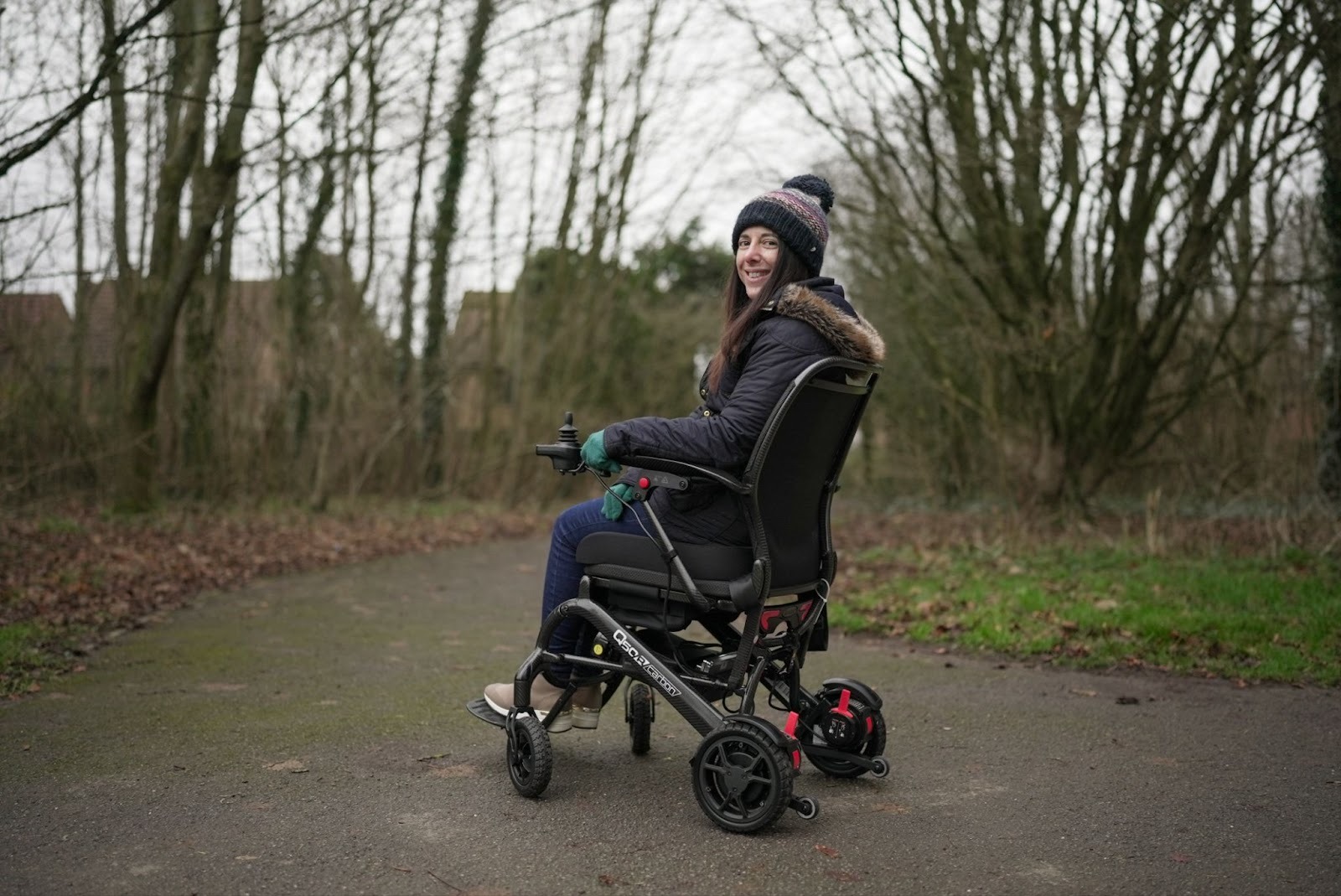
An 87% increase in nine years – Over three in four disabled people say the cost of accessible goods is increasing faster than other products
- Purpl research reveals that wheelchairs, mobility scooters and free-from foods are among the items that have increased in price the most in recent years, according to disabled people.
- Georgina Colman has seen the cost of her manual wheelchair increase by 87% in the last nine years
- Anyone with a disability or long-term health condition recognised under the Equality Act 2010 who has the correct documents, including PIP, Blue Badge or NHS Diagnosis letter, can access discounts and exclusive savings with Purpl
The Office for Budget Responsibility (OBR) recently warned that the Iran war could drive inflation above 3%. As inflation rises, the impact on the cost of living will be felt most acutely by the most vulnerable people. According to Scope, the average disabled household needs an additional £1,095, equivalent to £13,140 annually, to have the same standard of living as non-disabled households. This is expected to rise by approximately 12%, to an estimated £1,224 by the 2029–2030 financial year, totalling almost £15,000 a year.
A new poll from savings platform for disabled people, Purpl, reveals which products disabled people feel have increased the most in price. Wheelchairs, mobility scooters and free-from foods are seen as the products that have risen most sharply in price over recent years. The poll, voted on by its community of more than 6,000 disabled members, also found that 79% of disabled people believe products designed specifically for them have been increasing in price faster than everyday goods.
There are currently around 1.2 million wheelchair users in the UK, many of whom rely on specialist equipment. A basic manual wheelchair costs around £150, while powered wheelchairs can typically range from £1,000 to £4,500 but can go up to £40,000.
While the NHS provides some wheelchairs through specialist services, many disabled people still have to buy or upgrade their own mobility equipment privately, and as inflation drives up manufacturing and importation costs, the price of essential mobility equipment is adding a significant burden. Mobility scooters, used by an estimated 350,000 people, can cost anywhere between £700 and £4,000.
The research by Purpl placed free-from foods third among the items consumers felt had risen most sharply in price. This reflects a broader trend captured by the ONS “basket of goods”, which tracks the fluctuating prices of everyday items as a measure of inflation. Free-from products feature in the basket, and their costs have climbed considerably in recent years. Gluten-free bread now costs up to six times more than its conventional equivalent, while vegetarian mince has more than doubled in price over two years, climbing from £1.25 in 2024 to £2.60 in 2026, a rise of 108%.
Danielle Dyson, a 30-year-old woman from Plymouth, explained that despite working full-time and receiving PIP, most of her money is spent on things she needs for her disability. “There are many items that have gone up in price, from phone and internet bills, incontinence pads, parking permits and disabled bay repainting fees. Life becomes considerably harder with inflation because I have to buy a lot of things daily just to be able to get by. I buy incontinence pads for a family member, and when I first started buying them, you could pay around £6 a couple of years ago, and now it’s gone up to £8/9 a pack.
While benefits such as PIP are designed to help cover some of these extra costs, it typically falls short. The average PIP payment across households is around £465 per month, covering less than half of the additional costs disabled people face and leaving an estimated £630 monthly shortfall. Projections suggest this gap could widen further, reaching £704 per month by 2030.
Despite the rise in costs, Danielle is finding small ways to reduce the cost of living. “I have used Purpl for my gym membership discount, gentle gloves, incontinence pads for a family member, my protein powder and much more, probably saving over £100 if not more,” she said.
Purpl is a savings platform for disabled people and people with long-term health conditions. Members like Danielle save about £58 per month and over £700 a year with several homeware brands such as Hoover, EDF Energy, Samsung, eBay, Debenhams, Expedia and other fantastic offers.
Georgina Colman, founder of Purpl, said: “Disabled people are being hit twice over, by rising living costs that affect everyone, and by the surging prices of the specialist products they simply cannot live without. Wheelchairs, mobility scooters, free-from foods, incontinence products, these aren’t luxuries; they are essentials.
“I got my manual wheelchair in 2017, and it was £94. I had to re-order in 2024 as my original broke, and it was £150 – it’s now £170 for a new one. That’s an 87% increase in nine years. When prices climb faster than benefits or salaries keep up, disabled people are left to absorb the shortfall themselves.
“At Purpl, we hope to close that gap wherever we can, giving disabled people access to real savings on the things they actually need. But discounts and offers alone aren’t the answer. The conversation about the true cost of disability needs to be much louder.”
About PurplPurpl is the UK’s first money-saving platform, created to reduce the additional financial pressures associated with living with a disability or long-term health conditions recognised under the Equality Act. Founded by Georgina Colman, who has multiple sclerosis and ADHD, Purpl offers discounts and exclusive offers across various products and services to help members save money. The platform is available online and through the mobile app on Apple Store and Google Play. Purpl also offers a digital membership card for in-store offers currently available with Halfords. Verified members can access offers from a wide range of brands, including Morrisons, EDF Energy, Hoover, Samsung, Expedia, and more.