

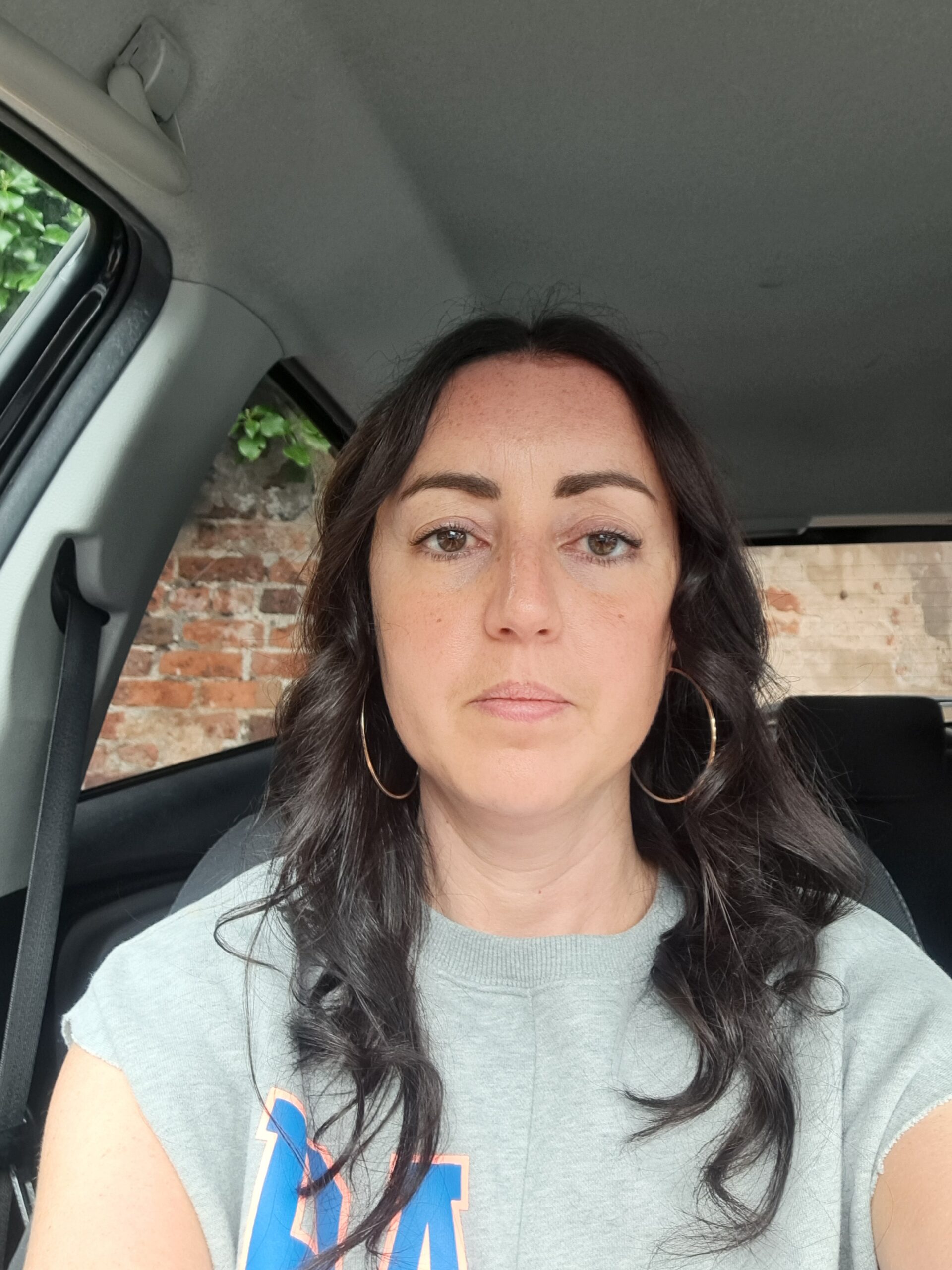
Living with disabilities is a bit like living life on a permanent rollercoaster, forever whirling up and down, being thrown around corners, with a harsh wind being blown in your face. It sounds fun and life is fun, but it’s also hard, it’s tiring, and it’s challenging.
I’m currently experiencing unexplained swelling on the inner side of my right knee. I’m waiting for my knee scan result, which will take 4-6 weeks, but I’ve decided to plough ahead with my physio and begin my slow journey back to running. I have long accepted and become used to this as a part of my life living with disabilities. I refuse to let me disabilities dictate my life. I live life to the fullest and enjoy it as much as possible.
During the Easter school holidays, I took my two daughters out for a walk and to go to a local café. On the way, we were both hit by a car. It was a genuine mistake. We were trying to cross the junction by a supermarket. We walked in front of a stationary car waiting to move out onto the main road. There was little space. I thought the driver would see us and let us past. The driver was looking to her right to see when she could turn left and as she started to move slowly, she promptly slammed on her brakes when she saw us in front of her, but wasn’t able to avoid knocking us.
I went around to her side of the car, praying that she would be kind and not yell at us, and she was. In fact, she looked terrified. As soon as I saw the look on her face, I said, “It’s ok. We’re ok. Are you ok? I’m sorry I think we both made a misjudgement.” She hadn’t seen my 5-year-old daughter who walked right up to her, crying and shaking. I reassured the driver that we were ok and that it was an accident. She also had young children and she was equally kind. She offered my daughters sweets. I thanked her and told them to keep them for her children.
I took my daughters to a nearby wall. While I was sitting and comforting my youngest daughter, another mum who had seen what happened came over to check that we were ok. At this point, I burst into tears. Neither she nor the driver knew I had arthritis and fibromyalgia or about the swelling between my knees and that this slight knock had caused pain. Neither also knew that my youngest daughter is autistic and has language development disorder, so this knock knocked her in more ways than one.
My husband called twice to check that we were ok and offered to pick us up after I let him know what had happened. I told him we were ok and that I was going to take them to the café for a drink.
On the way to the café, I saw a blind lady using a cane walking towards us. My eldest daughter was walking in front of me and I was holding the hand of my youngest daughter. I called out to my eldest daughter to move and let her past, and gently moved my youngest daughter to the side of the pavement. The lady stopped for less than ten seconds, huffed loudly, and muttered, “Took you long enough” before she carried on walking.
Her harsh words couldn’t have been uttered at a worse time. They hurt. It wasn’t just the rudeness, but the fact that she also had disabilities and had been ableist towards us. She had no awareness that I was struggling to walk in pain, while comforting a neurodivergent young child and keeping an eye on her sister in front of us, and that we had all just been hit by a car. There was a harshness and unkindness to her tone. Maybe she was having a bad day? Maybe she thought we couldn’t be bothered to move? We won’t know.
My daughters didn’t hear or notice her behaviour, and I didn’t make it known to them. I was still shaken, so I continued walking to the café and bought us all some nice cake and drinks. At the time, I didn’t react or respond to her. I was too shaken. I felt upset, but I also felt sad. I felt sad because we weren’t all that different. We both had disabilities and are facing challenges, so really, we are allies, not enemies. I still believe this. When I reflected on her behaviour, I thought I could spend weeks focussing on the lady’s rude, ableist, and unkind behaviour, or use this as a reminder to always be kind and think of other people.
To the driver who showed us nothing, but empathy, compassion, and kindness, thank you. To the mum with the beautiful kind smile who went out of her way to check we were ok, thank you. To the blind lady, we were trying to help you, not hinder you, so please be kind.
You never know what the other person is going through. They may be waiting on hospital results on their conditions. They may be in pain. They may have just been hit by a car walking with their two daughters, one of whom is autistic and has language development disorder. Let this be your reminder today to always be kind and help one another.
Nadia Bousseau