

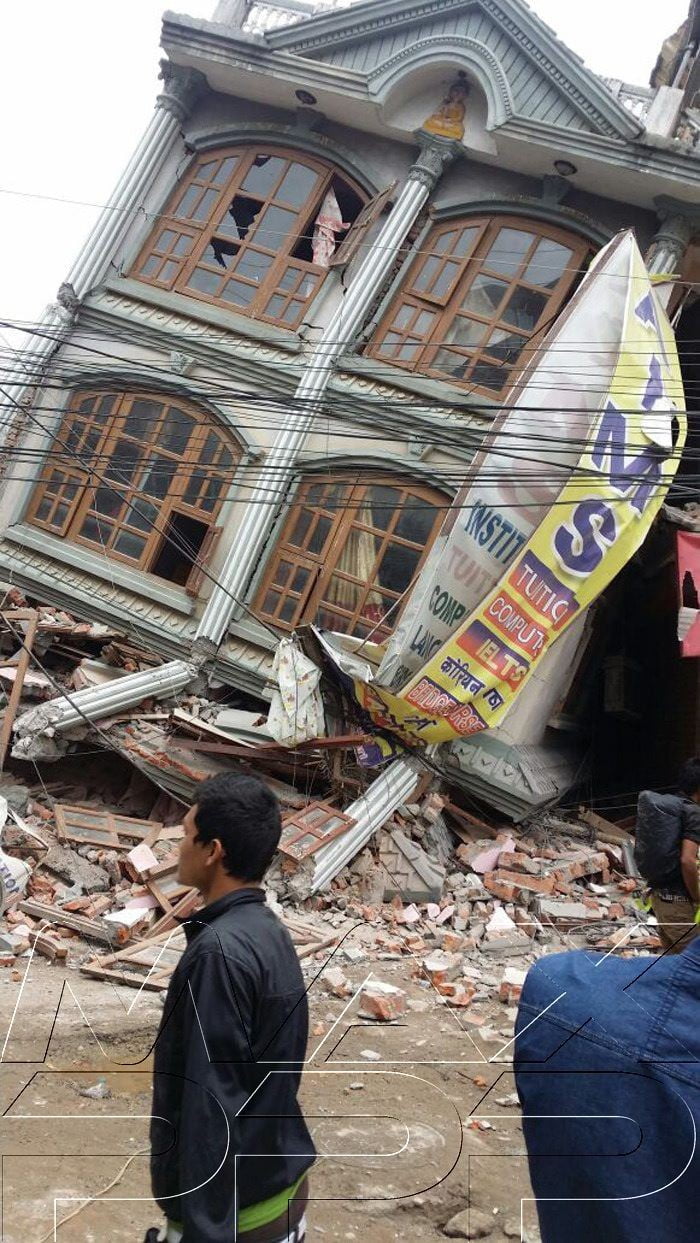
Disasters represent severe disruptions to the normal functioning of a community, surpassing its ability to manage the crisis with its existing resources. Nepal, characterized by its diverse topography, climatic variations, geological location, rugged mountains, and steep terrains, faces a heightened susceptibility to numerous hazards. The delicate geology and steep landscape have positioned Nepal as the 20th most disaster-prone nation globally. Furthermore, within a pool of 200 countries, Nepal ranks 4th in terms of its susceptibility to climate change, 11th to earthquakes, and 30th to floods. Amidst the various vulnerable demographics, individuals with disabilities face a particularly elevated risk worldwide, compounded further during disasters. Their diverse impairments, coupled with societal barriers ranging from attitudinal biases to communication obstacles, hinder their access and full participation in disaster response efforts.
With the disability community comprising 16% of the global population, it remains one of the most marginalized sectors. Consequently, during disaster occurrences, they are among the most susceptible populations, facing heightened challenges in coping and recovery efforts. This article will shed light on the situation, challenges, and the way forward for disability-inclusive disaster risk reduction in Nepal.
General Scenario in Nepal
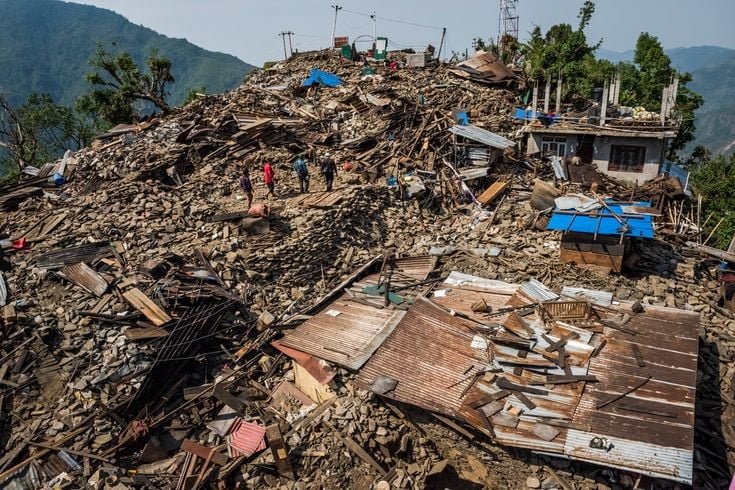
Each year, Nepal suffers significant casualties and losses due to disasters. Between July 2022 and July 2023 (FY 2079/80 BS):
• 5503 disaster incidents were recorded.
• 471 deaths occurred.
• Losses totaled NPR 2,989,461,150.
The 2015 earthquake, the deadliest since 1934, killed 8,790 people, injured 22,300, and affected 8 million people across 31 of 75 districts. According to the National Federation of Disabled Nepal (NFDN), approximately 150 persons with disabilities were killed in that earthquake.
Legal Provisions
The Constitution of Nepal, 2015, outlines disaster-related responsibilities across local, provincial, and federal government agencies. The government has enacted several laws and policies, including:
• Disaster Risk Reduction and Management Act, 2017
• National Disaster Risk Reduction and Management Regulations, 2017
• National Policy for Disaster Risk Reduction, 2018
• National Disaster Risk Reduction Strategic Action Plan, 2018-2030
• National Disaster Response Framework, 2019
These efforts align with Nepal’s federal governing structures. Additionally, Nepal has adopted the Sendai Framework for Disaster Risk Reduction, 2015-2030. Multiple institutional mechanisms are in place to oversee disaster risk reduction and management (DRRM). However, the issues facing vulnerable communities, especially the disability community, are often overlooked. Persons with disabilities are not adequately informed or empowered to handle disaster events, making them inherently vulnerable. Efforts to promote disaster resilience have not fully included disability provisions, rendering the notion of disability-inclusive DRR tokenistic.
Analyzing DRR from the ACAP Lens
The ACAP model—Attitudes, Communication, Access, and Participation—defines the framework for disability inclusion.
Attitudinal Aspects
The foremost obstacle to achieving disability-inclusive Disaster Risk Reduction (DRR) lies in attitudes. People with disabilities are frequently viewed solely as recipients of aid rather than as active contributors. This perspective marginalizes them from disaster response and planning, despite the valuable insights and capabilities they possess. During disasters, societal perceptions of vulnerability and dependence exacerbate existing disparities, leaving individuals with disabilities disproportionately affected and overlooked. Integrating diverse perspectives, including those of people with disabilities, enhances the effectiveness and inclusivity of disaster risk reduction strategies.
Communication
Disaster preparedness and response efforts often fail to accommodate the diverse needs of persons with disabilities. Information about impending disasters, evacuation procedures, relief distribution, and safety measures is frequently disseminated through inaccessible channels, such as websites lacking screen reader compatibility or emergency alerts not provided in sign language or braille. Consequently, many individuals with disabilities are left uninformed and ill-prepared to respond effectively during emergencies.
Access
Despite efforts to prioritize persons with disabilities in disaster response and recovery initiatives, significant barriers persist. Inaccessible infrastructure, transportation, and shelter facilities prevent many individuals with disabilities from accessing essential services and support during emergencies. Relief packages often overlook their unique needs, such as medical supplies, mobility aids, or communication devices. The failure to address accessibility concerns in post-disaster reconstruction efforts perpetuates a cycle of exclusion, leaving persons with disabilities disproportionately exposed to future risks and hardships.
Participation
While inclusive policies aim to incorporate diverse perspectives into disaster planning and decision-making processes, the absence of mandatory representation from organizations representing persons with disabilities undermines these frameworks. Without meaningful involvement from advocacy groups and individuals with disabilities, their unique needs and concerns are often overlooked or inadequately addressed in disaster policies and plans. This exclusion perpetuates systemic inequalities and reinforces the marginalization of persons with disabilities in disaster management processes.
Way Forward
Ensuring disability inclusiveness across Disaster Risk Reduction (DRR) processes is not only good practice but also a legal obligation. Government agencies, humanitarian organizations, and other development actors must take actions to promote disability inclusion across all development processes, including DRR. All actors must adhere to the ACAP model to ensure that efforts are disability-inclusive.
• Recognition: Persons with disabilities must be recognized as strong stakeholders and included in all phases of discussions. Their specific needs must be addressed, and they must also be seen as contributors rather than merely as a vulnerable community.
• Communication: All types of communication and information systems must be made inclusive and accessible. Emergency information, awareness materials, precautionary measures, and other relevant information must be provided in accessible formats and multiple languages.
• Infrastructure: Emergency evacuation centers, temporary shelters, and other infrastructures must meet basic accessibility standards. Regional accommodation measures should also be prioritized to meet the accessibility requirements of persons with disabilities.
• Participation: Meaningful and inclusive participation must occur across all DRR processes, including informing, consulting, collaborating, and empowering persons with disabilities at all stages.
Conclusion
In Nepal, disasters aren’t just disruptions; they’re stark reminders of systemic vulnerabilities that demand urgent, inclusive action. The statistics paint a grim reality, with thousands affected annually, and marginalized groups like persons with disabilities disproportionately bearing the brunt. Despite legal frameworks and policies, their voices remain sidelined, and their needs overlooked.
But this must change. It’s not just about compliance; it’s about justice, dignity, and resilience for all. The ACAP model provides a roadmap, demanding a shift from passive recipients to active stakeholders, from inaccessible systems to inclusive solutions. It’s time to rewrite the narrative, where every voice matters, every life counts, and inclusion isn’t an option but an imperative.

Author Information: Mr. Nir Shrestha is a Youth and Disability Rights advocate. He has been working as the Program Officer at the Blind Youth Association Nepal.
His activism spans disability inclusion, digital accessibility, disability and climate change, youth leadership, Comprehensive Sexuality Education (CSE), and Sexual and Reproductive Health and Rights (SRHR).